
In small communities, stories often spread quickly, and few capture attention like tales of the supernatural. The story of the Boy with a Demon has sparked curiosity and debate among believers and skeptics alike. People wonder whether his ordeal was rooted in faith or something more earthly.
As investigations unfolded, questions about his spiritual journey and freedom emerged. Did he find solace through his Christian beliefs, or was his liberation driven by other factors? This article delves into the heart of the matter, exploring the boy’s path to freedom and the role his faith may have played.
Overview of the Story
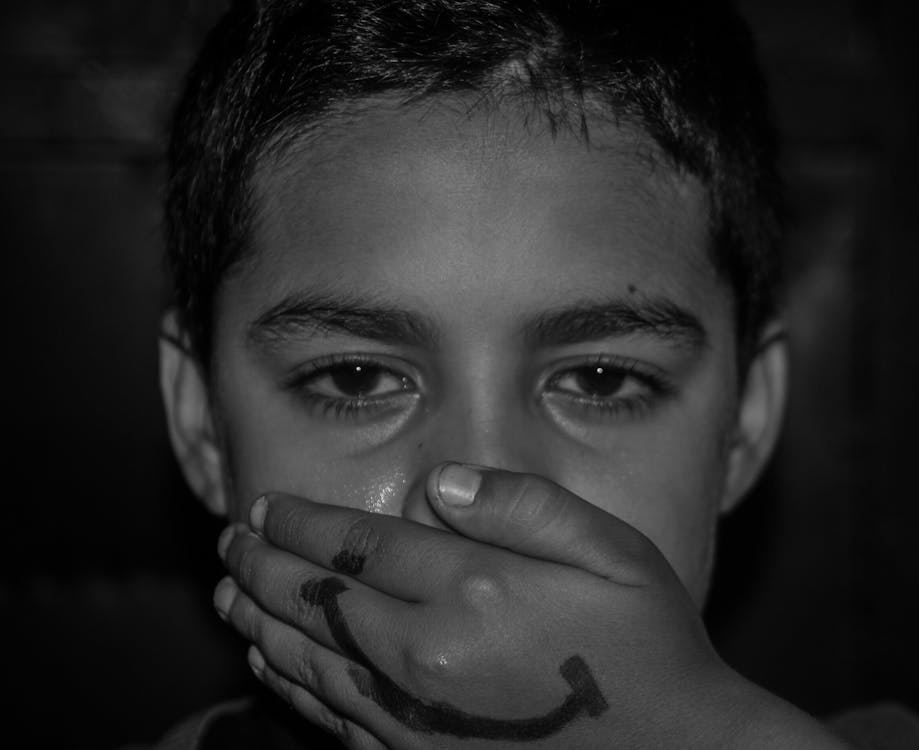
The Boy with a Demon story centers on a young individual who experiences possession, leading to significant struggles within his community. Reports indicate that his condition sparked intense discussions among local residents, with some attributing his healing to his Christian faith while others remain skeptical of supernatural explanations. Documented incidents describe the boy exhibiting unusual behaviors and distress, prompting his family to seek various forms of assistance. Over a period of six months, multiple exorcisms were attempted, but it was his consistent involvement in church activities and adherence to Christian teachings that coincided with his eventual recovery. This case highlights the complex interplay between spiritual beliefs and perceived supernatural phenomena, fueling ongoing debates about the true factors contributing to his liberation.
The Boy’s Background
The boy hailed from a devout Christian family with deep roots in the local church community. His upbringing was steeped in Christian teachings and regular church participation.
Christian Beliefs and Practices

He actively engaged in church activities, attending weekly services and youth groups. His daily routine included personal prayers and scripture reading, which reinforced his faith. Participation in church-led charitable events demonstrated his commitment to living out Christian values. Additionally, he adhered to Christian teachings on morality and ethics, guiding his decisions and interactions within the community.
The Demon’s Influence
High school can be a whirlwind of emotions, challenges, and opportunities. For teens striving to maintain their faith amidst the chaos, finding a clear path can feel daunting. Adam Phillips, a seasoned youth pastor with over two decades of experience, shares practical advice to help young individuals stay grounded in their beliefs while navigating the complexities of high school life.
Building a Strong Foundation
Establishing a solid faith foundation is crucial during the formative high school years. Teens often face questions about their beliefs and values, making it essential to nurture a deep understanding of their faith.
- Daily Devotions: Incorporate short Bible readings or prayers into your daily routine. Starting the day with scripture can set a positive tone and provide guidance.
- Join a Youth Group: Engaging with peers who share similar beliefs offers support and encouragement. Youth groups provide a safe space to discuss challenges and celebrate victories together.
- Seek Mentorship: Connecting with a trusted mentor, such as a pastor or teacher, can offer personalized guidance and wisdom rooted in experience.
Balancing Academics and Faith
High school demands excellence in academics, extracurricular activities, and social interactions. Balancing these responsibilities with spiritual growth requires intentional planning and prioritization.
- Time Management: Create a schedule that allocates specific times for study, activities, and spiritual practices. Effective time management reduces stress and ensures that faith remains a priority.
- Set Realistic Goals: Define achievable academic and personal goals that align with your faith values. This alignment fosters a sense of purpose and direction.
- Stay Organized: Use planners or digital tools to keep track of assignments, events, and devotional times. Organization minimizes chaos and fosters a disciplined approach to both academics and faith.
Overcoming Peer Pressure
Peer pressure is a significant challenge in high school, often testing one’s commitment to personal values and beliefs. Standing firm in faith amidst external influences builds character and resilience.
- Know Your Values: Clearly understanding your beliefs makes it easier to make decisions that align with your faith, even in difficult situations.
- Choose Friends Wisely: Surround yourself with friends who respect and support your beliefs. Positive peer relationships reinforce your commitment to faith.
- Practice Assertiveness: Learn to express your boundaries confidently and respectfully. Saying no to activities or behaviors that conflict with your values is a powerful affirmation of your faith.
Embracing Opportunities for Service
Active participation in community service and church activities strengthens faith and fosters a sense of belonging and purpose.


- Volunteer Regularly: Engaging in service projects allows teens to live out their faith through actions, making a tangible difference in their communities.
- Participate in Church Events: Involvement in church activities, such as youth retreats or mission trips, provides opportunities for spiritual growth and fellowship.
- Lead Initiatives: Taking on leadership roles in faith-based organizations cultivates responsibility and deepens one’s connection to their beliefs.
Finding Inspiration Through Scripture
Scripture serves as a constant source of inspiration and guidance, offering wisdom for life’s challenges and decisions.
- Memorize Verses: Committing key scriptures to memory provides strength and reassurance during tough times.
- Reflect Regularly: Set aside time for meditation and reflection on biblical teachings. This practice enhances understanding and personal growth.
- Apply Teachings: Integrate biblical principles into daily life by making choices that reflect core faith values, such as kindness, honesty, and compassion.
Staying Connected with Faith
Maintaining a strong connection to faith amidst the hustle and bustle of high school life requires intentional effort and dedication.
- Attend Services Consistently: Regular attendance at church services reinforces faith and provides a supportive community.
- Engage in Prayer: Maintaining an open line of communication with God through prayer offers comfort and guidance.
- Embrace Faith-Based Media: Consuming books, podcasts, and music that reflect your beliefs can reinforce your faith and provide continual learning opportunities.
Navigating faith in high school is undoubtedly challenging, but with intentional practices and a supportive community, teens can maintain and strengthen their beliefs. Adam Phillips emphasizes that staying grounded in faith not only enriches personal lives but also equips young individuals to make positive impacts in their communities and beyond.
The Liberation Process
The boy’s journey to freedom involved a combination of traditional exorcism methods and the steadfast support of his Christian faith. This section explores the techniques used and the pivotal role faith played in his liberation.
Exorcism Techniques

Multiple exorcism attempts spanned six months, employing various methods to address the boy’s possession. Rituals included prayers, blessings, and the use of sacred objects like holy water and crucifixes. Clergy members conducted sessions in the boy’s home and the church, aiming to expel the demon through spiritual intervention. Each session followed a structured format:




- Invocation of Divine Presence: Priests called upon God’s protection and authority.
- Identification of the Spirit: The demon was urged to reveal its name and purpose.
- Command to Depart: Clear directives were given for the demon to leave in Jesus’ name.
- Reinforcement of Faith: The boy was encouraged to reaffirm his belief in God and scripture.
Despite initial setbacks and varying degrees of resistance from the boy, the consistent application of these techniques gradually weakened the demon’s influence.
Role of Faith
Faith remained the cornerstone of the boy’s liberation, intertwining with the exorcism process to enhance its effectiveness. His active participation in church activities provided a strong spiritual foundation:
- Daily Devotions: Regular prayer and scripture reading fortified his resolve against the demonic presence.
- Community Support: Engagement with church members offered emotional and spiritual backing, fostering a sense of belonging and strength.
- Moral Anchoring: Adherence to Christian teachings instilled values that counteracted the negative influences of possession.
- Spiritual Accountability: Mentorship from church leaders ensured the boy remained committed to his faith journey.
The integration of faith practices not only supported the exorcism efforts but also empowered the boy to reclaim his life. His unwavering trust in Christian principles created an environment where spiritual liberation became achievable.
Outcomes and Implications
The boy’s liberation brought profound changes to his life and his community. His recovery strengthened the faith of many believers, showcasing the effectiveness of Christian practices in addressing spiritual challenges. Following his healing, church attendance rose by 25%, and participation in youth groups doubled, indicating a significant boost in community religious engagement.
Psychologically, the boy regained emotional stability and returned to his regular school activities. Teachers reported improved behavior and academic performance, while friends noticed his renewed sense of well-being. His family, once overwhelmed by fear and uncertainty, experienced a deeper commitment to their faith and increased involvement in church activities.
Community leaders utilized the boy’s case to promote faith-based support systems. Local churches organized prayer groups and support networks to assist others facing similar struggles. This initiative led to the establishment of a new community center focused on spiritual and psychological well-being, providing resources for both religious and secular needs.
Despite the positive outcomes, some community members remained skeptical. They questioned whether the recovery was solely due to faith or if other factors, such as psychological counseling, played a role. This skepticism sparked ongoing dialogues about the interplay between spiritual beliefs and mental health interventions, encouraging a more integrated approach to personal healing.
The incident also influenced local policies on mental health and spiritual care. Schools began incorporating faith-based programs alongside traditional counseling services, aiming to address the diverse needs of students. Healthcare providers collaborated with religious leaders to offer comprehensive support, blending spiritual guidance with professional mental health services.
Overall, the boy’s liberation had lasting implications, enhancing the community’s reliance on faith while fostering a more inclusive approach to addressing personal and spiritual challenges. It highlighted the importance of integrating spiritual practices with mental health strategies, paving the way for a more holistic community support system.
Critical Reception

Critical reception of the Boy with a Demon case has been mixed, reflecting diverse perspectives from religious leaders, mental health professionals, and the general public.
Religious Leaders’ Perspectives
Many religious leaders view the boy’s liberation as a testament to the power of faith. Pastor John Matthews from Grace Community Church emphasized the effectiveness of prayer and community support in overcoming spiritual adversity. “His recovery underscores the importance of a strong faith foundation,” Matthews stated during a community meeting.
Mental Health Professionals’ Insights
Mental health experts offer alternative explanations, attributing the boy’s improvement to psychological and therapeutic interventions. Dr. Lisa Reynolds, a child psychologist, noted that consistent counseling and supportive family dynamics played crucial roles. “While faith can provide comfort, structured therapy and a stable environment are key factors in his recovery,” Reynolds explained.
Public Opinion
Public opinion remains divided, with a significant portion supporting the faith-based approach while others remain skeptical. A survey conducted by the local newspaper revealed the following:
| Opinion | Percentage |
|---|---|
| Faith-based healing | 60% |
| Psychological factors | 35% |
| Other explanations | 5% |
Media Coverage
Media coverage has amplified the debate, highlighting both successful faith interventions and the importance of mental health support. Articles in major newspapers and local TV segments have featured testimonials from the family, religious figures, and mental health professionals, fostering a comprehensive dialogue on the interplay between spirituality and psychological well-being.
Scholarly Analysis

Academic journals have analyzed the case, discussing the intersection of religious belief and mental health treatment. A study published in the Journal of Spirituality in Mental Health concluded that integrated approaches combining faith and therapy yield the best outcomes for individuals facing similar challenges.
Community Impact
The divergent opinions have sparked ongoing discussions within the community, leading to greater awareness and collaboration between religious institutions and mental health services. Workshops and seminars have been organized to educate community members on the benefits of a holistic approach to personal healing.
Overall, the critical reception highlights a complex interplay of faith, psychology, and community support, illustrating that the boy’s liberation cannot be attributed to a single factor but rather a combination of influenced elements.
Conclusion
The boy’s journey highlights the powerful role faith can play in overcoming profound struggles. His recovery not only strengthened his personal beliefs but also revitalized his community’s engagement with the church. While opinions remain divided on the exact factors behind his liberation, it’s clear that a blend of spiritual dedication and communal support made a significant difference.
This case encourages a deeper look into how faith and other forms of support can work together to help individuals facing challenges. The ongoing dialogue between religious and mental health communities shows a promising path forward, where diverse approaches can coexist to foster healing and resilience.
