
Miracles have a way of capturing hearts and sparking wonder. One of Christ’s first recorded miracles, turning water into wine at a wedding in Cana, is a story that resonates with joy and celebration. It wasn’t just about meeting a need; it was about bringing abundance and delight to a moment that could’ve ended in disappointment.
This act wasn’t grand or public—it was intimate and personal, yet its impact has echoed through centuries. The transformation of water into wine symbolizes more than a simple solution; it reflects the overflowing grace and joy Christ offers. It reminds believers that even in ordinary moments, extraordinary things can happen.
Overview Of Christ’s Water To Wine

Christ’s transformation of water into wine is recorded in the Gospel of John 2:1-11. Taking place during a wedding in Cana, this miracle is widely recognized as the first performed by Jesus, marking the beginning of his public ministry. A shortage of wine—which in Jewish culture signified celebration and blessing—could’ve brought shame to the hosts. Instead, Jesus intervened, ensuring joy and honor remained intact.
Mary, Jesus’ mother, played a pivotal role in this event. She informed him of the lack of wine and instructed the servants to follow his directions. Six large stone water jars, typically used for ceremonial washing, were filled with water at his command. Jesus then caused the water to turn into wine, described by the master of the feast as exceptionally good quality. This act demonstrated his divine power and affirmed his concern for people’s ordinary needs.

Scripturally, this moment holds deeper significance. The abundance and quality of the wine symbolize the grace and joy Jesus brings into human lives. It also points to the fulfillment of God’s promises, connecting Old Testament imagery of wine with blessings. By turning water into wine, Jesus showed he was more than just meeting a practical need; he revealed his identity as the Messiah while fostering faith among his disciples.
The Story Of The First Miracle
The first recorded miracle of Jesus, turning water into wine at a wedding in Cana, showcases his divine power and personal care for others. This event begins his public ministry and highlights both practical provision and deep symbolism.
Setting The Scene At The Wedding In Cana
The wedding took place in Cana of Galilee, as described in John 2:1-2. Jesus, his disciples, and his mother Mary attended. Weddings in those times were significant, multi-day celebrations, and running out of wine would’ve been a major embarrassment for the host family. Mary noticed the need and turned to Jesus for help, showing her faith in his ability to intervene.
Although Jesus initially stated, “My hour has not yet come” (John 2:4, ESV), he soon acted, acknowledging the situation’s urgency and importance. Six large stone water jars, typically used for Jewish ceremonial washing, were filled with water, setting the stage for an extraordinary moment.
Turning Water Into Wine: A Divine Act
At Jesus’ instruction, the servants filled the jars “to the brim” (John 2:7). This detail implies fullness and readiness for a miraculous transformation. When the master of the banquet tasted the water, which had now become wine, he remarked it was “the best” (John 2:10)—a sharp contrast to the usual practice of serving good wine first.
This act didn’t simply provide for a need; it revealed Jesus’ divine authority and compassion. The quality and abundance of the wine symbolized God’s overflowing grace. The miracle affirmed the disciples’ belief in Jesus (John 2:11) and pointed toward his mission of bringing spiritual renewal and ultimate joy to humanity.


Symbolism And Themes In The Miracle
Symbolism And Themes In The Miracle
This moment at the Cana wedding wasn’t just a remarkable act but also packed with deeper meaning. The themes and symbols from this miracle still resonate, showing how God’s work brings joy, faith, and revelation.
Joy And Celebration In The Divine
Jesus’ transformation of water into wine represents God’s ability to bring joy into ordinary lives. In biblical times, wine symbolized gladness and God’s blessings (Psalm 104:15). By stepping into a moment of potential disappointment and blessing it with abundance, Jesus revealed that spiritual grace is often reflected in simple celebrations. The scene also connects directly to the joy of God’s Kingdom, which is often compared to a wedding feast (Matthew 22:2).
The abundant quality of the wine can also be seen as reflecting the nature of God’s gifts—not just enough, but overflowing and superior. This carries a message of trust in divine provision. Moments of celebration like the wedding reflect how God cares not just about monumental gestures but also about enhancing our daily lives.
Faith And Obedience Demonstrated
Mary’s role highlights an important theme of faith. Despite Jesus’ initial response, Mary shows unwavering trust that he’ll act. She doesn’t doubt his ability or timing, confidently directing the servants to “do whatever he tells you” (John 2:5). Her faith encourages others to obey, becoming a model for believing and acting on God’s word without reservations.

The servants’ obedience also plays a key role. Without question, they fill jars with water and present it to the master of the banquet. Their willingness to follow instructions may not have made immediate sense to them, but their actions led to witnessing a miracle. Faith and obedience often precede divine blessings, even when the purpose isn’t immediately clear. Would the jars have been filled “to the brim” if half-heartedness prevailed? Perhaps not. Their full-hearted action shows readiness for the miraculous.




The Revelation Of Christ’s Glory
The miracle at Cana wasn’t just about meeting a temporary physical need; it marked the first public sign of Jesus’ divine authority. Turning water into wine declared his power over nature, pointing to his identity as the Messiah. Scripture notes this act “revealed his glory” and led to the disciples believing in him (John 2:11).
The setting of a wedding feast, a joyful and communal event, mirrors the ultimate gathering in God’s kingdom, where believers will experience complete unity and celebration with Christ. This act also fulfilled Old Testament allusions where abundant wine symbolized blessings of the Messianic age (Amos 9:13). By performing this miracle, Jesus not only confirmed the prophecies but gave a foretaste of the kingdom he came to establish.
When people today read this account, the depth of its themes invites them to reflect on how Christ continues to reveal his glory in ways both seen and unseen, drawing faith and trust closer to him. This miracle wasn’t just for those in Cana—it’s a timeless reminder.
Impact Of The Miracle On Faith
The water-to-wine miracle at Cana goes beyond meeting a physical need; it influences faith deeply, shaping how people perceive Jesus’ purpose and identity. Through this event, belief in Christ’s divine nature grows and offers lessons for Christian living today.
Strengthening Belief In Christ’s Divinity
Jesus’ first miracle reveals his authority over nature, a characteristic only attributed to God in biblical teachings. Turning ordinary water into high-quality wine (John 2:9-11) demonstrates divine power, making his disciples recognize his identity as the Messiah. It wasn’t just about the act but its timing—at the beginning of his ministry, this miracle affirmed to those who followed him that they weren’t merely witnessing a teacher but someone with supernatural power.
The disciples’ response confirms this impact. John 2:11 states, “His disciples believed in Him.” Witnessing such a moment left no doubt of Jesus’ divine nature. This miracle also connected to Old Testament prophecies, reflecting themes of celebration and abundance tied to the arrival of the Savior. For instance, Amos 9:13-14 uses wine as a symbol of Messianic blessings.
Believers often reflect on this miracle to strengthen personal faith. When life’s challenges make divine intervention appear distant, the memory of transformative miracles reminds Christians of God’s power to work in tangible, unexpected ways.
Lessons For Modern Christian Life
Modern Christians find practical inspiration in this story. Jesus’ response to Mary’s observation of the wine shortage teaches trust and patience. Even though he initially said, “My hour has not yet come” (John 2:4), he fulfilled the need in his perfect timing. Believers learn to trust God’s plans without rushing his purposes.
The servants’ obedience provides another example. They followed Jesus’ command to fill the jars, even when the action seemed ordinary. Their role reminds Christians that faith involves action as well—participating in miracles through trust and readiness to act.

Additionally, this miracle underscores the importance of celebrating blessings. Running out of wine would’ve brought shame to the wedding hosts, yet Jesus transformed their situation into an occasion of abundance. For modern believers, it encourages gratitude and recognition of God’s providence in daily life.
Lastly, this event challenges Christians to discern spiritual priorities over superficial concerns. The shift from physical wine to symbolic grace echoes the deeper transformation Jesus offers to humanity. By reflecting on the water-to-wine narrative, individuals deepen their understanding of divine joy and its presence in all aspects of life.
Reception And Interpretations Over Time
The story of Jesus turning water into wine has sparked diverse reactions and interpretations throughout history. Its significance has morphed as cultural, theological, and social contexts evolved, yet the miracle’s core message remains relevant.
Early Christian Reflections
Early Christians viewed this miracle as a direct revelation of Jesus’ divine nature. Church fathers like Augustine highlighted its symbolic meaning, referring to the water as Old Testament law and the wine as the new covenant of grace. They saw it as reaffirming Jesus’ role as the fulfillment of prophecy, blending Jewish tradition with the unfolding Christian faith.
Medieval and Renaissance Insights
During the Middle Ages, theologians often linked this event to the Holy Eucharist. The transformation symbolized spiritual renewal and Christ’s offering of salvation. Renaissance art and literature frequently depicted the wedding at Cana, emphasizing abundance and divine glory. Such portrayals reinforced its role in connecting the spiritual and the earthly.
Reformation and Beyond

Reformation leaders like Martin Luther approached the narrative with a focus on grace and human dependency on God. Protestants tended to highlight Jesus’ concern for human needs, while Catholics continued to stress the sacramental imagery. This divergence in interpretation reflected broader theological divides.
Modern Interpretations
In contemporary times, scholars and believers emphasize its themes of celebration, community, and transformation. Many draw practical lessons, seeing the miracle as an example of God’s provision and faithfulness in everyday life. Others explore its cultural aspects, such as wedding customs in Jewish history, adding depth to the narrative.
Popular Understandings
The miracle often serves as a reminder of Christ’s power to bring joy even in simple moments. It resonates with modern Christians facing challenges or seeking miracles in their lives. Its message of hope and renewal remains a cornerstone of faith discussions, making it a beloved story in worship and personal reflection.
Conclusion
Christ’s transformation of water into wine at Cana remains a profound reminder of his care for both the spiritual and the ordinary. It showcases his power to bring joy, renewal, and abundance into moments that might otherwise seem mundane or challenging. This miracle invites believers to trust in his timing, embrace his presence, and recognize the extraordinary in the everyday.
Through this act, Jesus revealed his divine authority and offered a glimpse of the overflowing grace he brings to all who follow him. It’s a timeless message of hope, faith, and the boundless joy found in God’s blessings.
Frequently Asked Questions
What is the significance of Jesus turning water into wine at the wedding in Cana?
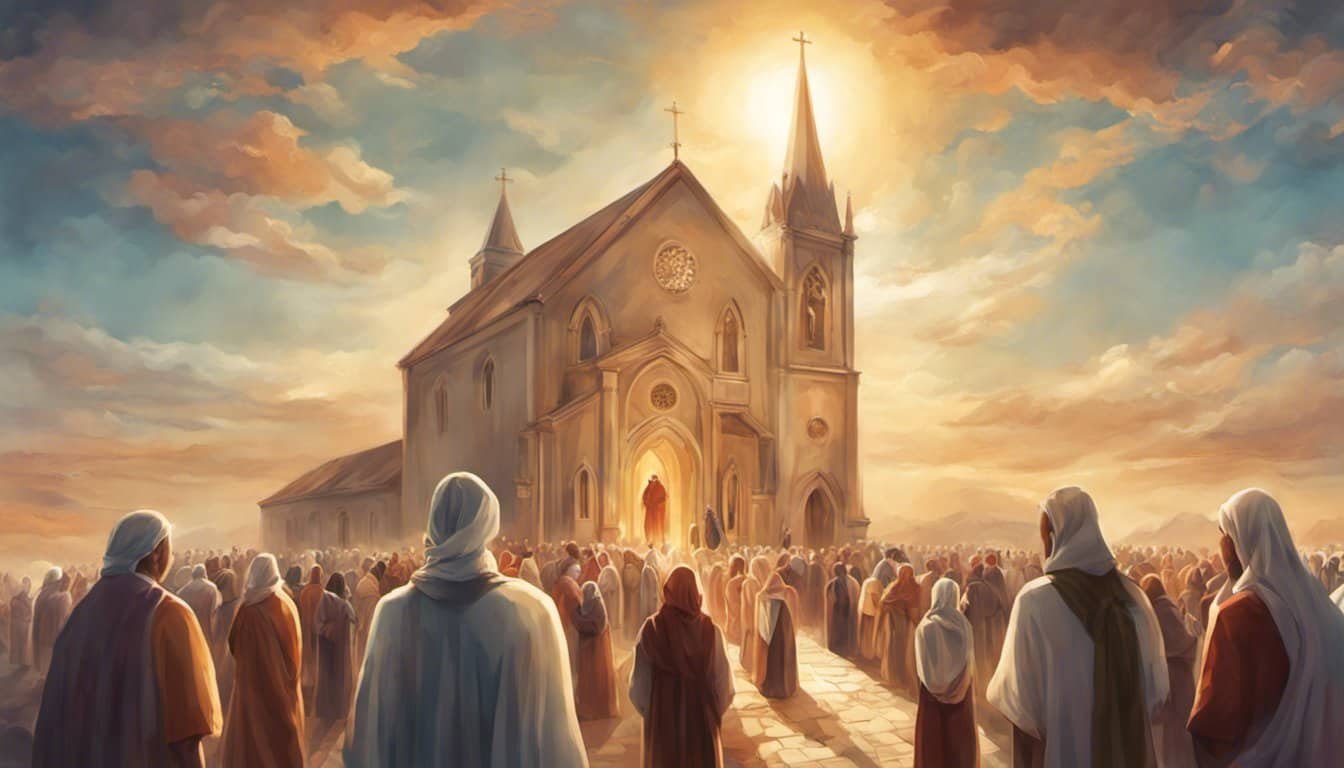
This miracle marks the start of Jesus’ public ministry and showcases his divine authority. It symbolizes joy, abundance, and the transformative power of God, while also affirming Jesus’ role as the Messiah.
Why was running out of wine at the wedding significant?
In Jewish culture, wine symbolizes blessing and celebration. Running out of wine would have caused embarrassment for the hosts, but Jesus’ intervention ensured joy and honor remained intact.
What does the water-to-wine miracle teach about faith?
The miracle highlights the importance of trust, patience, and obedience. Mary’s faith, along with the servants’ willingness to follow instructions, played a crucial role in enabling the miracle.
What is the symbolic meaning of wine in this miracle?
The wine represents God’s overflowing grace, joy, and fulfillment of promises. It connects Old Testament imagery of blessings with Jesus’ identity as the Messiah.
How does the miracle reveal Jesus’ identity?
By transforming water into wine, Jesus demonstrates authority over nature, proving his divinity and identity as the Messiah. This miracle strengthens his disciples’ faith in him.
Why did Jesus initially hesitate to perform the miracle?

When Mary asked for his help, Jesus noted that “his hour had not yet come,” referring to the ultimate purpose of his ministry. However, he still chose to meet the need out of compassion.
What is the significance of filling the jars “to the brim”?
Filling the jars to the brim symbolizes readiness for transformation and abundance. It reflects the overflowing nature of God’s blessings.
What role did Mary play in the miracle?
Mary initiated the miracle by recognizing the need and instructing the servants to follow Jesus’ commands, showcasing her faith in his ability to intervene.
How does this miracle inspire contemporary Christians?
It reminds believers to trust in God’s provision, celebrate divine blessings, and recognize Christ’s transformative power in daily life.
How has the water-to-wine miracle been interpreted historically?
Early Christians saw it as a revelation of Jesus’ divinity. Over time, interpretations included connections to grace, renewal, the Eucharist, and Christ’s fulfillment of Old Testament promises.
