
Christianity is a vast and diverse faith with many denominations, each offering unique perspectives on worship and belief.
Recognizing and respecting these differences can enhance understanding among believers and promote unity in a broader sense. As people explore various Christian denominations, they often find that differing traditions can lead to rich discussions about faith and theology.

The historical context of Christianity has shaped these denominations over centuries. While some may focus on specific theological interpretations, others embrace a more inclusive approach.

This diversity allows Christians to engage with their faith in ways that resonate personally, inviting them to share their beliefs while honoring the views of others.
In today’s world, where cultural influences are ever-changing, it is essential for Christians to foster respectful dialogue about their differences. Emphasizing common values can strengthen relationships within the church and beyond, promoting a spirit of tolerance and understanding.
Key Takeaways
- Understanding denominational differences encourages deeper conversations about faith.
- Respecting diverse beliefs strengthens community bonds among Christians.
- Emphasizing shared values helps foster unity in the Christian church.
Historical Context
The history of Christian denominations is complex and shaped by various events and movements. Understanding how these groups emerged can help appreciate the diversity within Christianity today. This section delves into early roots, how denominations developed, and significant reformations.
Early Christian Roots
The Christian church began with Jesus Christ and his apostles about 2,000 years ago. Early Christians shared teachings and practices, but as they spread, differences appeared in beliefs and practices.
These variations early on laid the groundwork for future denominations. Religious traditions developed based on geographical, cultural, and theological factors. Communities interpreted the teachings of Jesus in diverse ways, which led to distinct practices.


This variety was not necessarily viewed negatively at first; instead, it reflected the vibrant growth of early Christianity.
Development of Denominations
As Christianity grew, the Roman Empire’s influence shaped many church practices. By the 4th century, the church began to formalize its beliefs and structures. Councils, like the Council of Nicaea in 325 AD, were held to resolve theological disputes.
Over time, Christianity fractured into various branches, such as Catholicism and Orthodoxy. Later developments introduced new denominations, driven by different interpretations of the Bible and theology. Groups like the Baptists and Quakers emerged, each with unique beliefs about faith and worship.
Major Reformation Movements
The Protestant Reformation in the 16th century significantly changed Christianity. Key figures like Martin Luther challenged the practices of the Catholic Church, emphasizing salvation through faith alone. This resulted in the formation of several new denominations.

In England, the Church of England was established as part of a break from the Catholic Church. Meanwhile, John Wesley founded Methodism, focusing on personal faith and social justice. Another notable movement was the Anabaptists, who advocated for adult baptism.




In the United States, Joseph Smith founded the Church of Jesus Christ of Latter-day Saints, contributing to the growing tapestry of Christian denominations. Each of these movements reflects diverse responses to theological questions and social needs, allowing Christianity to thrive in various contexts.
Theological Diversity

The Christian faith encompasses a wide range of beliefs and practices. Theological diversity among denominations highlights essential differences in understanding key doctrines, including salvation, scripture interpretation, and the nature of Jesus Christ.
Foundational Beliefs and Variations
Different denominations have unique foundational beliefs that shape their theology. For example, Baptists emphasize believer’s baptism, while Anabaptists focus on the importance of community and following Jesus’ example. Quakers center their theology on the inner light and direct experience of God.
These differences stem from varying interpretations of scripture. Presbyterian churches uphold a structured governance model, reflecting their belief in God’s sovereignty. In contrast, more liberal denominations may embrace modernism and prioritize social justice alongside personal faith.
Denominational Views on Salvation and Sacraments
Salvation is viewed uniquely across denominations. For example, many Baptists believe in salvation through faith alone, while Presbyterians uphold a covenantal theology that links baptism with God’s promises. Anabaptists often emphasize discipleship and community responsibilities in their understanding of salvation.
Sacraments also vary significantly. While most Christian groups observe baptism and communion, their meanings and practices differ. Quakers typically see these as symbolic, while others, like Catholics, regard them as essential means of grace.
Contemporary Theological Debates
Modern theological debates often center around issues like liberalism and the interpretation of scripture in today’s context. Many seek ways to reconcile faith with contemporary values and science.
Discussions about Jesus Christ’s nature and his role in salvation also generate varied perspectives. Some denominations affirm traditional views, while others push for new interpretations influenced by modern thought.

This ongoing dialogue within the Christian church demonstrates the richness of theological diversity as believers navigate their faith in an ever-changing world.
Social and Cultural Influences
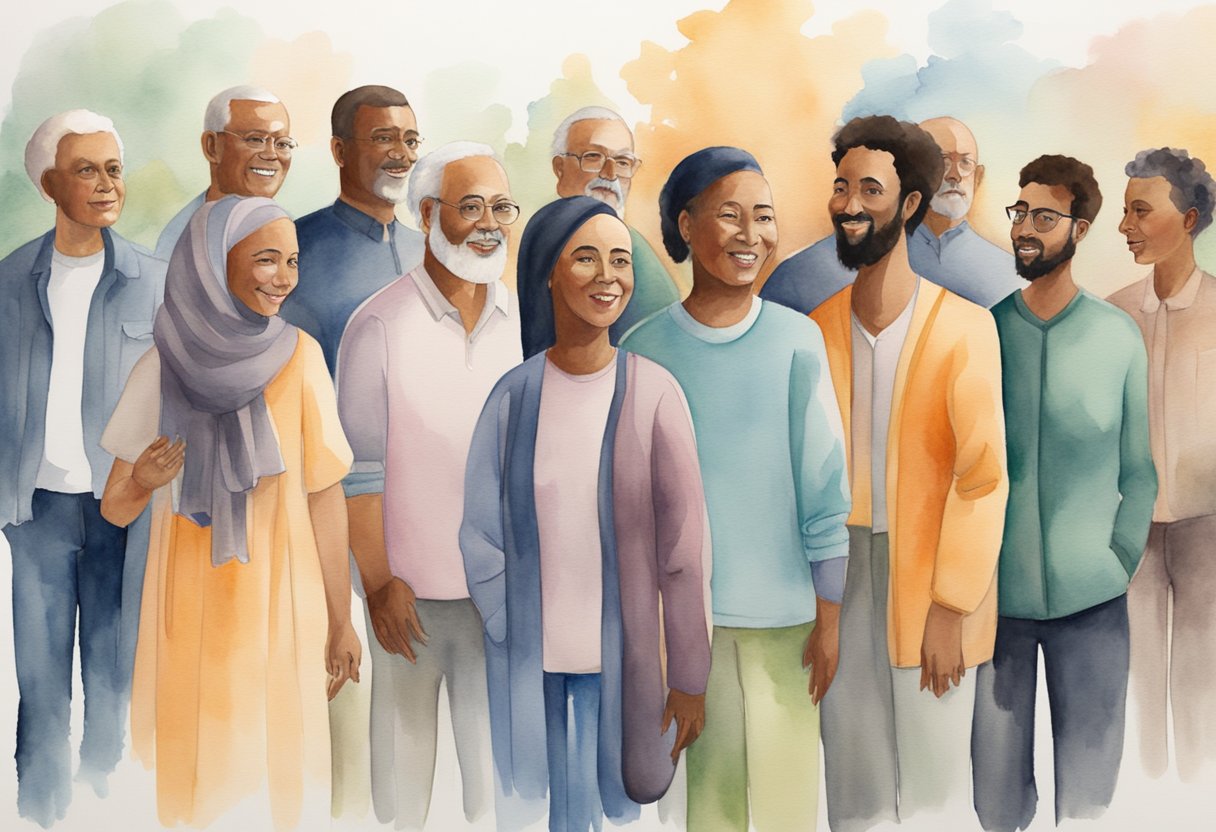
Social and cultural factors shape how Christians view denominational differences. These influences help create diverse practices and beliefs within the Christian community. Understanding these aspects is essential for fostering respect and awareness among various groups.
Impact of National Origin
National origin plays a significant role in shaping a denomination’s beliefs and practices. For instance, Christians from different countries often bring unique traditions influenced by local cultures.
In Africa, vibrant worship styles can be seen, while European denominations may focus on liturgical worship. These differences highlight how diverse backgrounds impact theological perspectives.

For example, a denomination in Latin America may emphasize community and social justice more than a denomination in a wealthier, individualistic country. Recognizing and respecting these variations can foster unity within the broader Christian church.
Religion and Education
Education and religious background significantly influence denominational views. Higher education levels can lead to more progressive theological interpretations.
Churches in urban areas, where educational resources are more accessible, often adopt modern approaches to age-old doctrines. Further, certain denominations focus heavily on biblical literacy as a means of empowerment.
By encouraging critical thinking about faith, they promote strong convictions about justice and equity. This emphasis on education can help bridge gaps between different Christian groups, encouraging cooperative dialogue on theological issues.
Gender Roles Within Denominations
Gender roles frame discussions of equity and justice in many denominations. Traditionally, roles of men and women in the church vary widely across Christian communities.
Some denominations allow women to serve as pastors, while others restrict leadership roles to men. This division can affect how congregations handle issues of gender equality.
For example, feminist theology has emerged within various denominations to challenge patriarchal norms. Understanding these roles helps clarify how gender influences worship practices, leadership styles, and the involvement of laypeople in church activities. The ongoing dialogue around these topics fosters respect among varied Christian traditions.
Denominational Relationships

Denominational relationships are crucial for fostering understanding and unity among various Christian traditions. Respecting diversity can promote collaboration in addressing social justice and equity issues.
Ecumenism and Interdenominational Dialogue
Ecumenism encourages cooperation among different Christian denominations. It aims to build bridges of understanding and respect through dialogue.
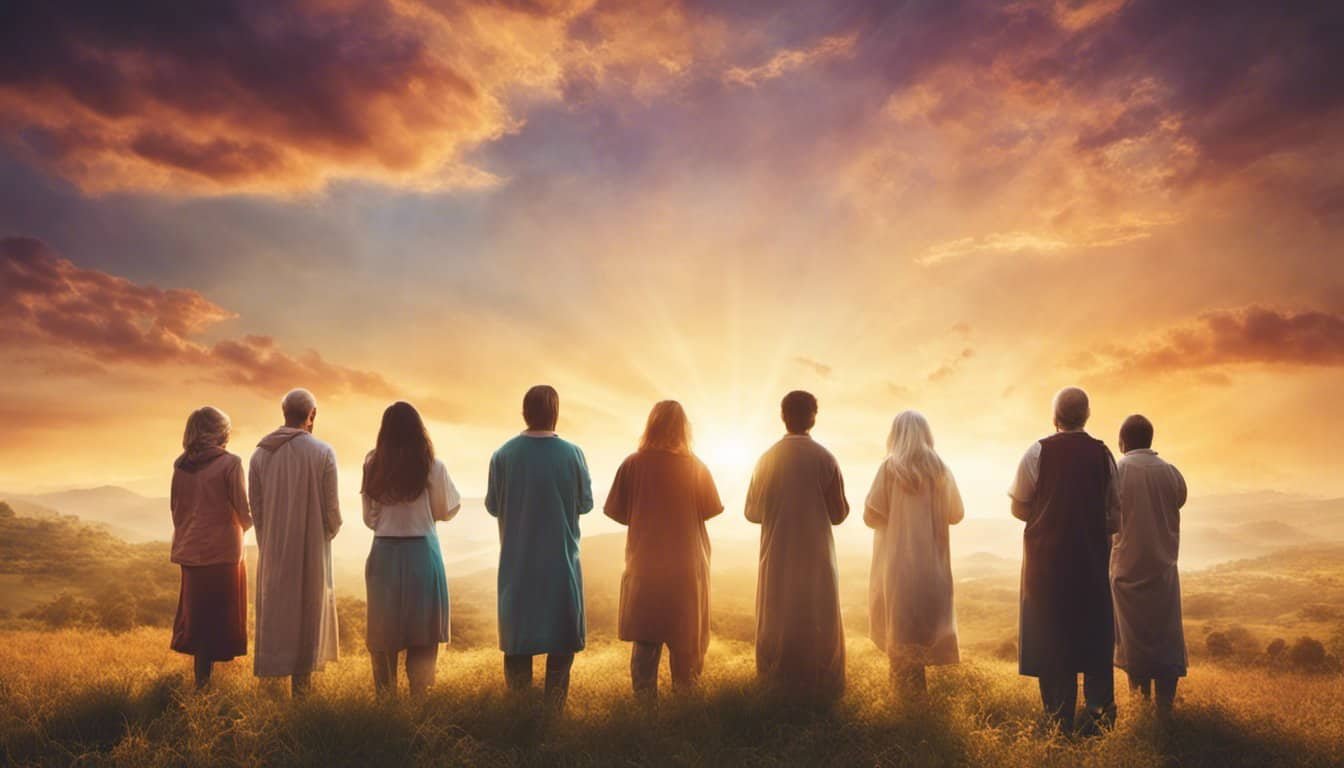
This can include shared worship services or combined community projects. Presbyterianism, for example, may engage in joint efforts with Baptists or Methodists, focusing on common beliefs rather than differences.
Many churches emphasize mutual respect, which allows members to learn from each other’s experiences and traditions. Such interactions often lead to a greater appreciation for different perspectives. When denominations work together, they demonstrate the strength of their shared faith and commitment to justice and equity.
Challenges and Conflict Resolution
Though denominational relationships can be rewarding, they also present challenges. Differences in theological beliefs and church practices can lead to misunderstandings.
For example, Presbyterian views on governance may differ from those in more congregationalist traditions. When conflicts arise, open and respectful communication is essential.
Engaging in meaningful dialogue helps groups navigate disagreements. Many churches establish conflict resolution processes to foster peace and understanding.
Emphasizing a shared commitment to Christ helps bring focus back to common goals. By addressing differences through conversation, denominations can move toward unity while respecting diversity in beliefs and practices.
Modern Denomination Practice

Denominational practices are evolving to meet the needs and preferences of modern congregations. These changes reflect diversity in worship, outreach efforts, and adaptation to technology. Here’s a closer look at how denominations engage with their communities today.
Worship Styles and Liturgy
Worship styles differ widely among denominations. Some churches favor traditional liturgy with hymns and structured prayers, promoting a sense of continuity with the past.
Others embrace contemporary styles, featuring modern music, informal settings, and spontaneous prayer. This variety allows congregants to connect with their faith in ways that resonate personally.

For instance, many denominations incorporate multimedia elements, such as video projections and live streaming. This makes worship more engaging and can bring in younger members who might prefer a more modern approach.
Outreach and Mission Work
Outreach and mission work are central to many denominations. They aim to serve their communities and promote justice and equity.
Various churches focus on different issues, from poverty alleviation to environmental stewardship. For example, some denominations organize food drives, while others may prioritize educational initiatives in underserved areas.
These activities promote fellowship among congregants and extend their values to broader society, showing how faith can inspire positive change.
Adaptation to Digital and Global Age
As society becomes more digital, churches are adapting to stay relevant. Many denominations use social media to connect with members and spread their message.

They create online services and discussions, making faith accessible to those unable to attend in person.
This digital shift also allows churches to reach a global audience. Online platforms enable congregations to share resources, learn from each other, and collaborate on outreach efforts.
By harnessing technology, they foster a connected community that transcends geographical boundaries, enriching their religious traditions.
