Bible study is a key part of Christian life that helps believers grow in their faith. Engaging deeply with Scripture not only enhances personal understanding but also fosters connections within the faith community.
Many people find that studying the Bible together allows them to share insights and build relationships that strengthen their beliefs.


As readers explore different approaches to Bible study, they discover ways to apply biblical teachings in their daily lives.

By examining various themes and connecting with others, individuals can unlock richer interpretations of God’s word. This communal aspect of studying Scripture can lead to a more vibrant faith experience.
In today’s fast-paced world, a thoughtful approach to Bible study encourages believers to remain grounded. It invites them to reflect on their personal journey and find purpose in the teachings of Scripture.
Key Takeaways
- Bible study enhances understanding of Scripture and fosters community.
- Engaging with others allows for richer insights and personal connections.
- Practical application of biblical teachings strengthens faith in daily life.
The Foundation of Bible Study
Bible study begins with a strong foundation. Understanding Scripture and engaging in prayer are essential parts of this process. These elements help deepen a believer’s relationship with God and clarify the meaning of His Word.
Understanding Scripture
Properly understanding Scripture is vital for effective Bible study. The Bible is described as “living and active” in Hebrews 4:12. This means it can speak to individuals in different ways throughout their lives.
To grasp the Word of God, readers should consider context, author intent, and audience. Using study aids like commentaries can provide insight into difficult passages.


Additionally, focusing on key themes and verses can help connect the entire Scripture. For instance, the message of love and redemption is woven throughout both the Old and New Testaments.
The Role of Prayer in Study
Prayer plays a crucial role in Bible study. It allows individuals to seek guidance and wisdom from God.
Before diving into Scripture, approaching Him in prayer can open hearts and minds.
A simple prayer might include asking for clarity in understanding and for the Holy Spirit to illuminate the text. This practice creates a more receptive mindset.

Engaging in prayer during study enhances the experience, making it more personal. Believers can reflect on messages and seek personal applications for their lives. This connection helps deepen their understanding of God’s plans and purposes as revealed in His Word.




Approaches to Bible Study
There are various methods to study the Bible that can deepen one’s understanding. Each approach has its unique benefits and can help believers connect with the text on a more meaningful level.
Effective Study Methods
Using effective study methods can enhance understanding of the Bible. A well-structured approach often involves asking questions about the text, such as “What does this passage mean?” or “How can I apply this to my life?”
Study Bibles can be incredibly helpful. They often include explanations, cross-references, and notes that provide context to the passages. This extra information can clarify difficult sections and help readers interpret the text more accurately.
Another useful method is to engage with others in a study group. Sharing insights allows for diverse perspectives and encourages deeper discussion.
The Contextual Approach
Understanding the context of a passage is vital for proper interpretation. The contextual approach focuses on the historical, cultural, and literary backgrounds of the Scripture.
Knowing the setting when a text was written helps to uncover its true meaning. For example, understanding the customs and beliefs of biblical times can lead to a greater appreciation of the messages conveyed.
Readers should consider factors such as the audience, the author’s purpose, and the circumstances surrounding the writing. Engaging with commentaries and additional resources can also shed light on the context.
Interlinear and Original Languages
Exploring the Bible in its original languages—Hebrew, Aramaic, and Greek—can lead to richer insights. An interlinear Bible displays the original text alongside a translation, making it easier to see the nuances of the language.

Understanding key words and phrases in their native form can reveal deeper meanings that may be lost in translation.
For those who wish to go further, resources like lexicons and language courses can enhance one’s grasp of the original texts. Engaging with these resources opens up new ways to interpret Scripture, making the study more profound.
Deepening Understanding Through Community
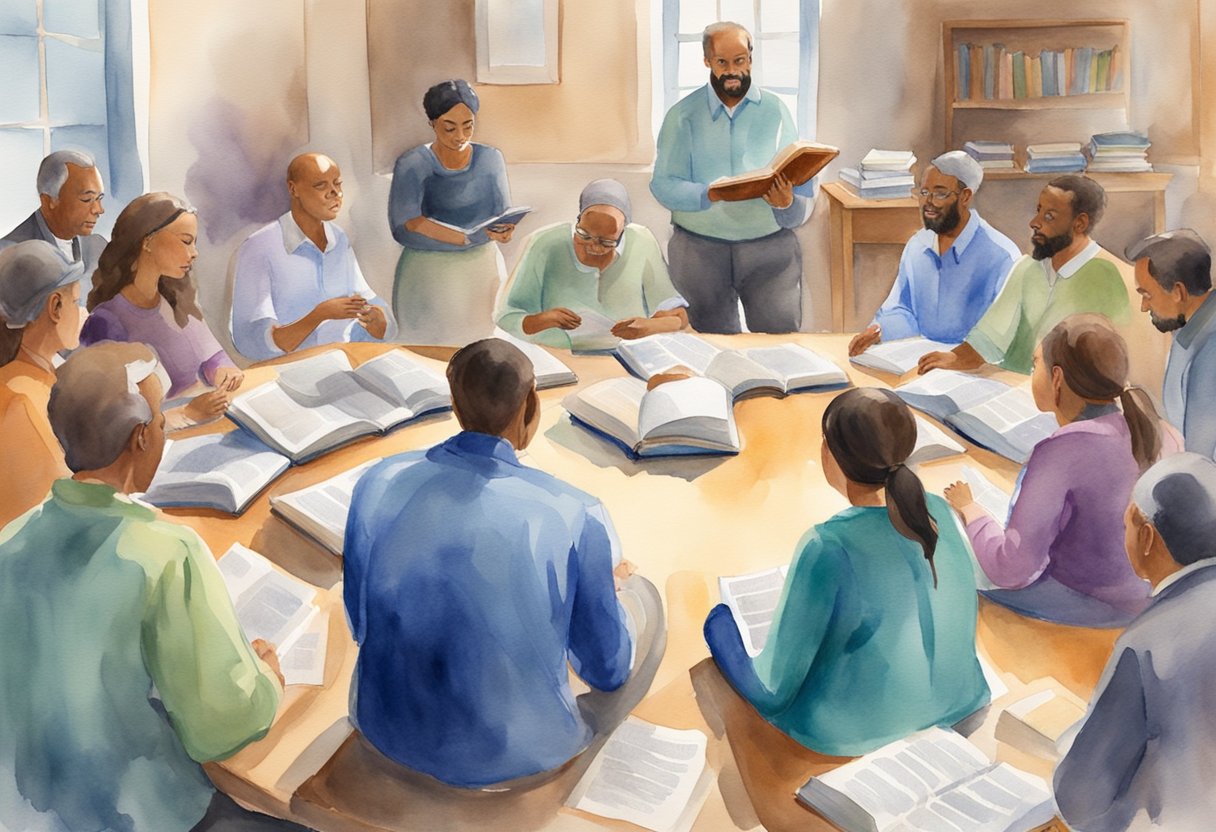
Building community among believers is essential for enhancing Bible study. Engaging with others in a supportive environment fosters deeper insights and encourages sharing diverse perspectives on Scripture.
The Importance of Small Groups
Small groups play a vital role in Bible study. They create a space where individuals can explore faith more intimately. In a small group, members often feel more comfortable sharing personal experiences and insights.

This sharing leads to richer discussions and different viewpoints. Participants can discuss challenging passages together, which may deepen their understanding. Research shows that studying in smaller settings can enhance retention of biblical knowledge and build lasting friendships.
Facilitating Discussion in House Churches
House churches provide a unique setting for Bible study. The informal nature allows for open conversation and participation. In this environment, everyone is encouraged to share thoughts without the pressure of a traditional church setting.
Leaders can facilitate discussions by asking open-ended questions. This encourages everyone to think critically about the Scriptures and share personal interpretations. House churches also allow for real-life applications of biblical teachings, making the study more relevant and engaging.
Engaging Non-Christians in Study
Involving non-Christians in Bible studies can offer a valuable opportunity for dialogue. It allows believers to share their faith while inviting others to explore the Scriptures. This approach fosters understanding and respect for different viewpoints.
Creating a welcoming atmosphere is crucial. Leaders can start by discussing more universal themes found in the Bible, such as love and compassion. This can help non-Christians feel included and motivated to engage in the discussion. The exchange of ideas benefits everyone involved and promotes deeper understanding.
Practical Application of Biblical Teachings


Applying biblical teachings requires intentional efforts. It involves integrating the lessons from Scripture into everyday life. This section explores how to actively engage with the Gospel and approach Bible reading with practical application in mind.
Applying the Gospel to Christian Life
The Gospel offers powerful guidance for daily living. By recognizing its truths, Christians find strength to navigate life’s challenges. Love, forgiveness, and service are core principles.
- Love: Matthew 22:39 urges believers to love their neighbors. This can mean simple acts of kindness or standing up for those in need.
- Forgiveness: Colossians 3:13 emphasizes forgiving others. This fosters harmony in relationships and personal peace.
- Service: Galatians 5:13 encourages serving others. Volunteering for community projects can enhance personal growth and build connections.
When they apply these principles, believers can deepen their faith and strengthen their communities.
Reading the Bible with Application in Mind
Reading the Bible effectively means asking how its teachings relate to daily life. Approach Scriptures with the mindset of application.
- Observation: Identify key themes and messages in the text. What is the author trying to convey?
- Interpretation: Consider the context. Why was it written? What does it mean today?
- Application: Ask, “How can this apply to me?” For instance, James 1:22 urges doers of the Word, not just hearers.

This method ensures a meaningful engagement with Scripture, allowing its teachings to guide choices and actions in real life.
Exploring Themes and Books of the Bible
The Bible contains rich themes and messages that help deepen faith. Understanding these themes can guide readers in their spiritual journey and encourage a closer relationship with God.
The Wisdom of Psalms
The Book of Psalms offers profound insights into human emotions and experiences. It captures a wide range of feelings, including joy, sorrow, praise, and lament. Each psalm opens a window into understanding God’s nature and His relationship with humanity.
Many psalms express the longing for God’s presence. For instance, Psalm 23 paints a beautiful picture of God as a shepherd who guides and protects. This imagery helps readers grasp the comforting aspects of God’s character.

Moreover, meditating on the psalms can foster a deeper understanding of God. They serve as prayers that can be personalized, allowing individuals to connect with the Word of God in a meaningful way. The wisdom found in these verses is timeless and continues to resonate today.
Learning from Key New Testament Epistles
The New Testament epistles are letters written by early Christian leaders. These writings include key theological insights and practical guidance for living out one’s faith.
Letters like Romans and Ephesians explore foundational truths about salvation and the church. For example, Romans emphasizes grace and faith, clarifying how believers are justified before God. Such themes invite reflection on personal faith journeys.
Additionally, the epistles encourage unity and love among believers. They address challenges faced by early Christians and provide solutions that remain relevant today. Emphasizing the Word of God, these letters remind readers of their identity in Christ and the importance of community. By studying these writings, believers can gain wisdom to navigate life’s challenges.
Advanced Dynamics of Bible Study

In Bible studies, going deeper into the text can enrich understanding and foster connection. Two important dynamics are exploring the Discovery Bible Study method and interpreting the message that lies beyond the words.
Going Deeper with Discovery Bible Study
Discovery Bible Study (DBS) encourages readers to engage with the Scriptures actively. This approach involves a few simple steps that help participants uncover meaning.
- Reading: Participants read a passage together.
- Reflection: They ask guided questions like “What does this say about God?” or “How can this apply to my life?”
- Response: Each person shares personal insights or commitments based on the reading.
This method promotes community engagement and helps individuals connect personally with biblical texts. By using open-ended questions, DBS allows diverse perspectives, making discussions rich and varied.
The Message Beyond the Words
The Bible is not just a collection of stories. It conveys profound messages that resonate on many levels. He or she must take the time to examine the context, audience, and cultural background of passages.
- Context Matters: Understanding who wrote the text and why can change interpretation.
- Cultural Insights: Recognizing the cultural norms of biblical times helps clarify messages.
By focusing on the message, participants can discover timeless truths that remain relevant today. Asking thoughtful questions about the text’s implications invites deeper reflection, enhancing the Bible study experience.

Each participant can find their own personal connection to the message, enriching their faith journey.
The Impact of Devotional Practices
Devotional practices play a significant role in nurturing a believer’s faith. They help foster personal transformation and create a deeper connection with God.
Through consistent engagement in these practices, individuals can experience profound changes in their spiritual lives.
Transformation Through Sanctification
Sanctification is the process of becoming more like Christ. It involves setting aside daily time for devotional activities. This consistent practice helps individuals grow in their understanding of God’s will.

As a person studies the Bible and engages in prayer, they can identify areas in their lives that need change. Over time, this commitment leads to transformation. Many report feeling a sense of peace and purpose that they didn’t know was possible.
Key elements of sanctification include:
- Self-reflection: Regularly assessing personal growth.
- Scripture study: Gaining insight from God’s Word to guide daily choices.
The journey of sanctification is ongoing and deeply personal, yet it profoundly impacts one’s life.
Union with God through Time in Prayer
Spending time in prayer is vital for building a strong relationship with God. Prayer is a two-way conversation that allows individuals to express their thoughts and feelings.
Regular prayer fosters a sense of union with God. It provides comfort during tough times and encouragement in daily challenges.
Consider these aspects of prayer:
- Listening: Taking a moment to hear God’s voice can lead to deeper understanding.
- Consistency: Making prayer a daily habit improves spiritual health.
Through committed prayer, believers often find clarity and strength to navigate life’s ups and downs. This union with God can lead to an enriched spiritual life.
Bridging the Gap to Mission
Bridging the gap to mission involves connecting personal faith with active engagement in discipleship and outreach. This connection is vital for spiritual growth and fulfilling the Great Commission.
Two key areas to focus on are contagious disciple-making and evangelism, both critical in today’s world.
Contagious Disciple Making
Contagious disciple-making is about sharing faith in a way that naturally inspires others. It begins with building strong relationships. When someone demonstrates genuine faith, it can motivate friends and family to explore their own beliefs.
Key Components:
- Relationship Building: Establishing trust is essential. This allows for deeper conversations about faith.
- Mentorship: Experienced disciples can guide newer believers, helping them grow in their faith journey.
- Community: Being part of a community like Bridges International can enhance the experience. Members support each other in their walks.
This approach leads to a cycle where new believers become passionate about sharing their faith, creating more disciples.
Evangelism and World Missions
Evangelism focuses on spreading the message of Jesus Christ. It is crucial for bridging cultural gaps and reaching diverse populations.
Organizations involved in world missions aim to share the Gospel where it is least known.
Effective Strategies:
- Cultural Awareness: Understanding different cultures helps in communicating the faith message effectively.
- Team Collaboration: Working with others in mission teams enhances outreach efforts. It also creates a supportive environment for sharing experiences.
- Local Engagement: Building connections within communities is key. This can involve service projects or partnering with local churches.
By focusing on evangelism, believers can reach out globally while impacting their local communities. This mission work fosters spiritual growth and a deeper understanding of faith.
Continuing the Journey of Faith

The Christian walk involves a commitment to developing one’s faith through discipleship and overcoming challenges. Each step taken helps deepen understanding and strengthen the individual’s relationship with God.
Developing Discipleship
Discipleship is essential for growth in faith. It goes beyond personal study of Scripture; it involves engaging with a community of believers.
Together, they can encourage one another and share insights.
Regular participation in Bible studies can greatly enhance one’s understanding. For some, this means attending group sessions or joining online discussions. Others may choose to meet with a mentor for personalized guidance.
Effective discipleship includes setting goals. This can involve daily prayer, reading specific Bible passages, or engaging in service projects. Each step reinforces their commitment to living out their faith daily.
Challenges and Victory in the Christian Walk
Every Christian faces challenges along their journey. Doubts, distractions, and life’s pressures can weigh heavily. However, with perseverance, joy can be found even in trials.
It is vital to acknowledge these obstacles. They can serve as opportunities for growth. Sharing experiences with fellow believers can provide support.
Hearing how others overcame similar struggles can inspire strength.
Victory comes through reliance on faith. Celebrating small milestones, like overcoming a negative habit or helping someone in need, can boost confidence. Recognizing these victories nurtures a more profound faith.