
The Christian view on long-term missions emphasizes a lifelong commitment to serving others and spreading hope. This commitment reflects a deep understanding that true change requires time, patience, and enduring relationships. Many believe that long-term missionaries can make a significant impact, not just on individuals, but on entire communities. They see their work as a journey filled with joy and spiritual significance, demonstrating God’s love in practical ways.


For those called to missions, the path is often challenging yet rewarding. It involves integrating spiritual life with everyday experiences, navigating personal and emotional aspects while remaining steadfast in service.
Engaging deeply with communities allows missionaries to not only share their faith but also learn from those they serve, fostering a mutual exchange of hope and support.

As we explore the Christian viewpoint on long-term missions, readers will discover the profound effects such a commitment has on both the missionary and the community. This journey highlights the importance of being a servant leader and encourages a lifestyle that values relational connections and the lasting joy found in helping others.
Key Takeaways
- Long-term missions foster meaningful relationships that lead to lasting impact.
- Commitment to service reflects a deep spiritual calling aligned with joy.
- Engaging with communities enriches both the missionary and those they serve.
The Biblical Foundation

The Bible provides a strong foundation for understanding long-term missions. Key elements include the Great Commission and examples of commitment from biblical figures. These highlight the importance of spreading the Gospel and remaining dedicated to God’s will.
The Great Commission and Long-Term Missions
The Great Commission, found in Matthew 28:19-20, calls believers to make disciples of all nations. This command is central to missions. Jesus emphasized teaching and baptizing, showing the need for ongoing relationships. Long-term missionaries play a crucial role in fulfilling this command.
Their work allows for deep connection and trust with communities. This fosters genuine discipleship. Staying in one place for an extended time helps missionaries understand local cultures. It equips them to address specific needs and challenges.
As Paul-type missionaries traveled widely, they also committed to nurturing the churches they established. Their perseverance mattered greatly in advancing God’s mission.


Examples of Lifelong Commitment in Scripture
The Bible showcases numerous examples of lifelong commitment. Figures like Moses and Paul embody this dedication. Moses spent 40 years leading the Israelites through the wilderness. His patience and faith were key in fulfilling God’s plan.
Paul served tirelessly, facing hardships while spreading the Gospel. His letters provide insight into the perseverance needed for long-term missions. The commitment of these leaders encourages current missionaries to follow their footsteps. Their lives illustrate that staying the course is vital in obedience to God. Through their experiences, it becomes clear that mission work requires both time and faithfulness.
Spiritual Significance

Long-term missions hold deep spiritual value. They emphasize commitment to God and build strong relationships through worship and prayer. This dedication shapes a person’s faith journey and their connection with others.
Commitment as Worship

Long-term commitment in missions is seen as an act of worship. By dedicating time and energy, individuals express their love for God. This commitment reflects the supremacy of God, reminding missionaries that their work is for a higher purpose.


Through consistent service, missionaries trust in God’s grace. Their perseverance in challenges strengthens their faith and shows a living testimony of their beliefs. Each commitment becomes a way to honor God, transforming their everyday actions into spiritual offerings.
Prayer and Long-Term Mission Work
Prayer is vital in long-term mission work. It helps build a strong relationship with God. Through prayer, missionaries seek guidance and strength in their journey. It is a way for them to express hopes and fears while remaining focused on their mission.
Regular prayer fosters community not only with God but also with others involved in the mission. This creates a supportive team atmosphere. When challenges arise, prayer provides comfort and assurance. It reminds them of the grace of God that empowers them to persevere through difficulty.
Calling and Commitment
A strong sense of calling is essential for anyone considering a lifelong commitment to missions. This involves discerning God’s will and understanding how to use one’s skills and talents in service. Recognizing this unique vocation can lead to a fulfilling career in mission work.
Discerning the Call for Lifelong Missions
Discerning a call to long-term missions requires prayer, reflection, and sometimes guidance from mentors. Individuals must seek clarity on how their ambitions align with God’s purpose. Many find that this personal journey impacts their lives profoundly.
Questions to consider include:
- What is God asking me to do?
- How can I serve Him fully?
- What passions and talents can I offer?
Listening to God’s voice can lead to opportunities that fit one’s unique abilities and desires for service. It’s about aligning personal goals with the mission of spreading faith and love.
Stewardship of Talents and Skills for Missions
Effectively using one’s skills and talents is critical in missions. People often have specific abilities that can greatly enhance their work, whether in teaching, healthcare, or community development.

Missions require various talents, including:
- Communication skills
- Cultural sensitivity
- Problem-solving abilities
By continually developing these skills, individuals can better serve communities and fulfill their calling. Commitment to lifelong learning and adapting to new challenges helps ensure effectiveness in the mission field. This stewardship honors both personal vocation and God’s purpose.
The Role of the Church

The church plays a crucial role in supporting long-term missions. It fosters a sense of community and builds strong relationships with God. The church also provides necessary financial resources to sustain missions.
Fostering Long-Term Missions in the Community
The church should encourage its members to engage in long-term missions. This begins with fostering a culture of service. Programs and events can highlight the importance of mission work. Fellowship activities help members build strong relationships, both with each other and with those they aim to serve.

Encouraging participation can lead to deeper spiritual growth. This connection not only benefits those sent out but also enriches the entire church community. By hearing testimonies from returning missionaries, members gain insight into the impact of their efforts. Churches can also organize mission trips, allowing individuals to experience service firsthand.
Financial Support and Missions Budget
A well-planned missions budget is essential for supporting long-term efforts. The church must prioritize funding for ongoing projects. This requires clear communication about the needs and goals of missions.
Financial stewardship involves not just giving but also educating members. Regular updates about budget needs can inspire increased contributions. Churches may consider fundraisers, special offerings, or partnerships with mission organizations.
Supporting long-term missions financially allows the church to make a lasting impact. It demonstrates commitment to service, nurturing relationships with God and community alike. By ensuring adequate funding, the church helps sustain efforts that promote growth and transformation.
Life on the Mission Field


Life on the mission field is an experience where building relationships and enduring challenges play crucial roles. Missionaries often find joy and growth in serving communities while navigating the ups and downs of their daily lives.
Building Relationships and Fellowship
Forming strong relationships is essential for missionaries. They often live among local families, sharing daily life and experiences. This immersion helps missionaries understand cultural nuances that inform their service.
Deep bonds can develop between missionaries and the community, creating a sense of belonging. They join in community events, attend local gatherings, and participate in worship. These moments foster a strong sense of fellowship and connection.
Missionaries often find support within their own teams as well. They share struggles and victories, encouraging one another through prayer and fellowship. This companionship helps create a supportive atmosphere that nurtures their mission work.
Suffering and Perseverance
Life in the mission field isn’t without challenges. Missionaries often face cultural barriers, language difficulties, and homesickness. These struggles can feel overwhelming at times.

Perseverance becomes key during tough times. Many missionaries draw strength from their hope and faith, pushing through challenges. They develop resilience, learning to cope with uncertainty and find joy in small victories.
Suffering can also lead to deeper connections with the community. As missionaries navigate hardships, they can empathize with local struggles. This shared experience often strengthens their relationships and enhances their service.
Personal and Emotional Aspects

Long-term missions can bring deep joy and fulfillment while also presenting unique challenges. Understanding these personal and emotional aspects can help one navigate the journey effectively.
Joy and Fulfillment in Missions
For many, long-term missions provide a profound sense of joy and fulfillment. Engaging in service allows individuals to live out their values and share the love of God.

Seeing lives transformed can inspire hope and strengthen faith. It can be incredibly rewarding to witness the impact of one’s efforts on the community.
Relationships formed during missions often become sources of support. These connections encourage perseverance through difficult times. Engaging deeply in local cultures often reveals the grace of God at work.
This joy isn’t just about personal achievement; it stems from a commitment to a greater purpose. Knowing that one’s life aligns with a divine calling fosters a deeper sense of peace.
Challenges of a Quiet Life Away
Living a quiet life away from familiar surroundings presents various challenges. Many face loneliness and homesickness during their missions.
The adjustment to new cultural norms can be difficult. It requires patience and perseverance to adapt to the pace and rhythm of life in a different place.

Additionally, the emotional weight of seeing suffering can be hard to bear. It can test one’s faith and call for continuous reliance on the grace of God.
During those quiet moments, feelings of doubt may arise. It is crucial to remember the purpose of the mission and the hope that drives them forward.
In these experiences, individuals grow through both joy and challenges. Balancing them can lead to a richer, more fulfilling journey.
Impacts and Outcomes
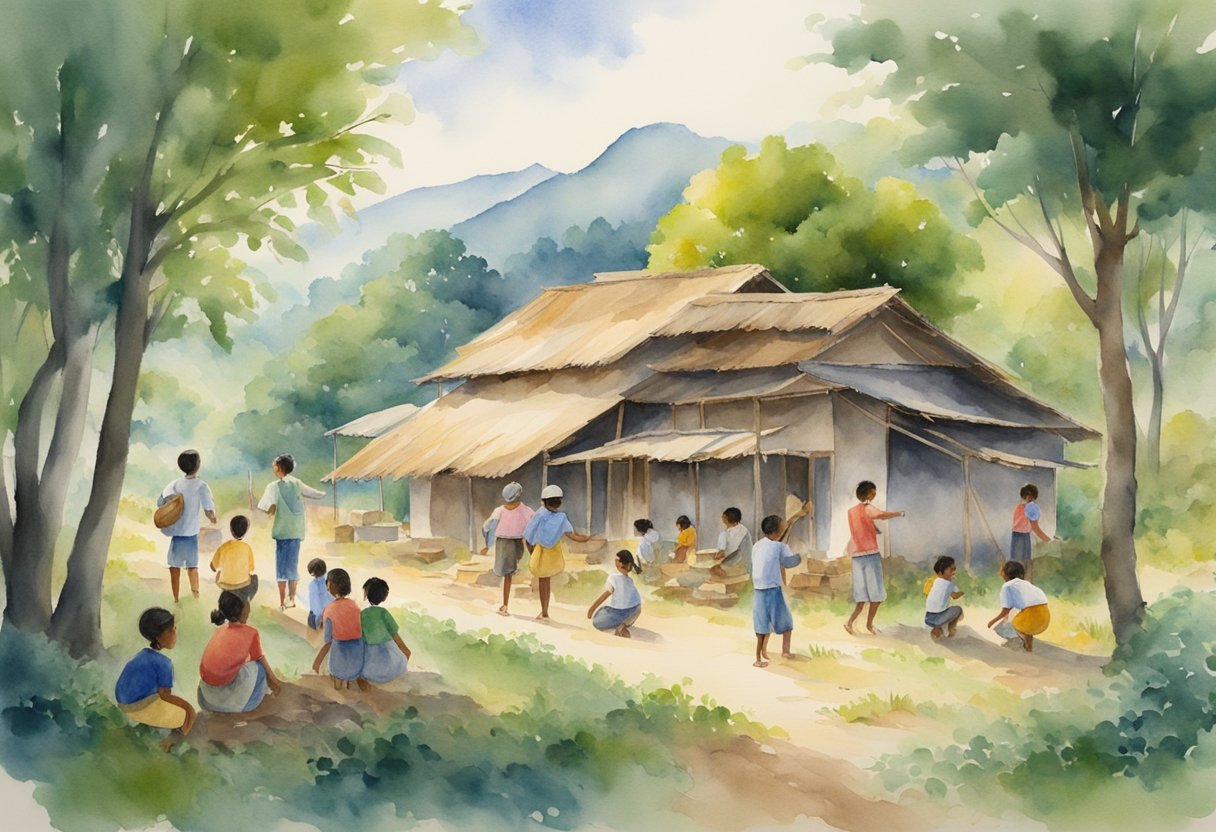
Long-term missions have profound effects on both local communities and the global Church. The commitment seen in these missions leads to lasting change, deeper connections, and a greater understanding of the gospel.
The Effect on Local Peoples and Nations

Long-term missionaries invest time in the communities they serve. This commitment allows them to build trust and establish meaningful relationships.
Through consistent presence, they share the gospel of the kingdom and offer practical help. This may include education, healthcare, and job training.
Such support fosters hope and encourages evangelization. As locals witness transformation in their own lives, they are more open to discussions about salvation.
The cultural exchange enriches both missionaries and local peoples. It creates an environment where ideas and faith can flourish.
The Global Church and Long-Term Missions
The impact of long-term missions stretches beyond individual communities. They play a key role in shaping the global Church.

By sending missionaries, churches participate in world missions. These efforts help to unite believers from different nations under the same mission.
Additionally, long-term missions provide a platform for sharing experiences and strategies. This sharing can inspire others to engage in outreach, promoting a culture of salvation and service.
The ongoing presence of missionaries ensures that the kingdom continues to grow worldwide. They help to strengthen faith and commitment among those who hear the message.
Integration with General Life

For those committed to long-term missions, balancing their life with mission work is crucial.
Integrating missionary roles with personal and family life requires intentional effort and adaptability.
It’s important to maintain relationships and values while serving communities and sharing the Christian faith.
Balancing Missions and Personal Life
Missionaries often face the challenge of maintaining a healthy personal life while serving others. This requires setting boundaries and prioritizing family relationships.
They need to focus on quality time with loved ones, ensuring that their spiritual and emotional well-being remains strong.
Creating a routine that includes regular quiet times for prayer and reflection helps strengthen their relationship with God. It allows missionaries to recharge and stay connected to their values.
Maintaining friendships with both local and global communities nurtures a supportive network. This balance helps missionaries remain effective while ensuring they do not neglect their personal lives.
Adapting to Cultural Contexts
Cultural adaptation is essential for successful long-term missions. Understanding the context of the people they serve allows missionaries to build trust and establish meaningful relationships.
It’s vital for them to learn the local language and customs. This can enhance their ability to share the Gospel effectively. Developing a sense of respect for different values helps in building bridges.
Missionaries can also engage in local service projects that align with community needs. By doing so, they demonstrate love and respect for the peoples of the world, making their mission more effective.
Through active engagement, their efforts in evangelism become more relatable and impactful. This cultural sensitivity promotes harmony and enhances their role as both servants and family members within the community.
