
The role of military chaplains is a vital part of serving those in the armed forces. Chaplains provide spiritual support, guidance, and comfort to soldiers and their families.
From a Christian perspective, military chaplaincy is seen as a calling to serve both God and country. It balances faith with the responsibilities of military life.

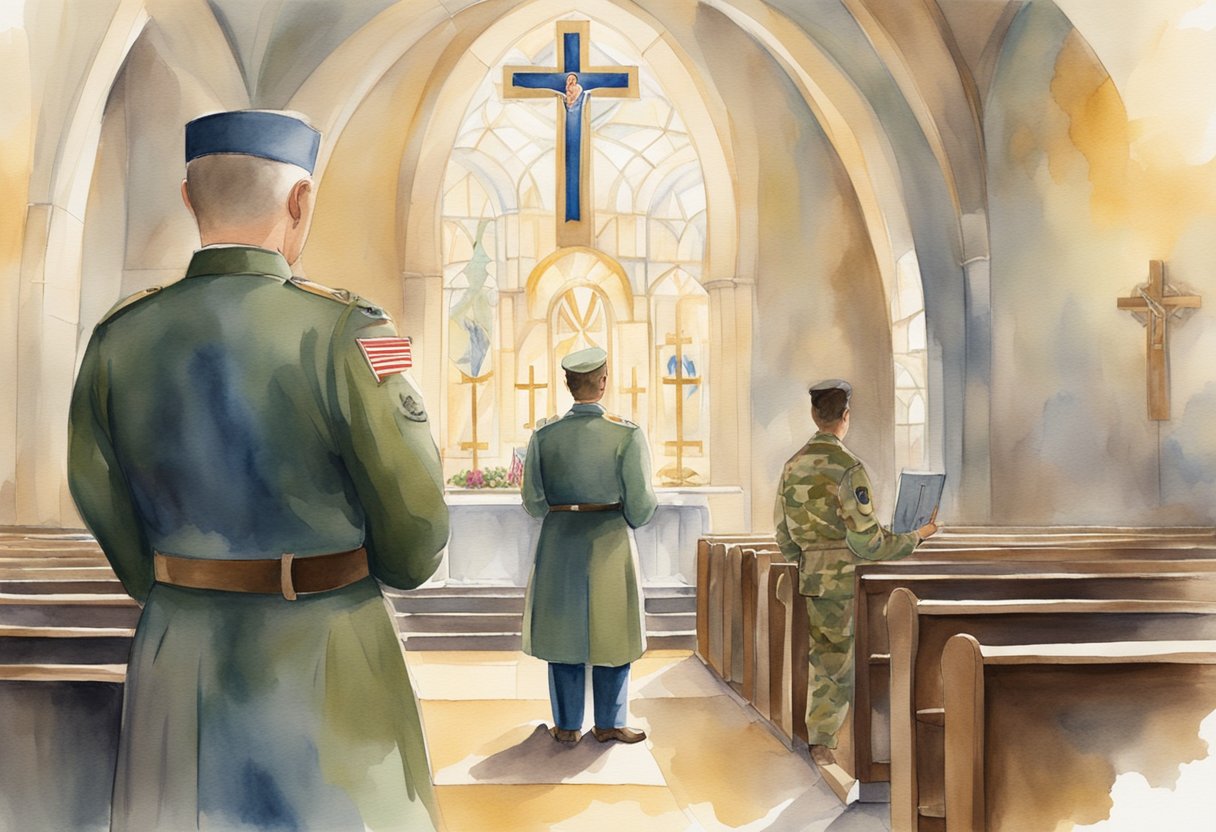
Military chaplains face unique challenges, including ethical dilemmas and the need to support diverse groups of service members. They work across various faith traditions while remaining true to their own beliefs.

This dual role allows them to foster an environment of respect and inclusivity, which is crucial in times of crisis.
Understanding the impact and responsibilities of military chaplaincy can help readers appreciate the importance of this service. As more individuals from Christian communities answer the call to this unique vocation, the need for discussion around its purpose and challenges becomes even more pressing.
Key Takeaways
- Military chaplains offer spiritual support to service members and their families.
- They navigate ethical dilemmas while supporting diverse faith traditions.
- The role of chaplains is crucial for fostering respect and inclusivity in the military.
Historical Background of Military Chaplaincy
Military chaplaincy has a rich history that reflects the changing needs of the armed forces. This section explores the evolution of American military chaplaincy and its international perspectives, showcasing how chaplains have played vital roles in both support and service during conflicts.
American Military Chaplaincy Evolution
The American military chaplaincy began in the Continental Army during the Revolutionary War. Early chaplains were often chosen by their units and served to provide spiritual care. Congress formalized this role in 1775 by appointing chaplains, recognizing their importance to morale.
Over the years, chaplains have adapted to the needs of each conflict. For instance, during the Vietnam War, chaplains faced unique challenges in providing care and support amidst widespread dissent.



Chaplains often served in combat zones, such as Baghdad during the Iraq War, offering spiritual guidance and emotional support to soldiers. Their roles expanded to include interfaith ministering, ensuring all service members could practice their beliefs.
International Perspectives and Conflicts
Across the globe, military chaplaincy has evolved in various ways. In many countries, chaplains support diverse faiths, promoting unity within military ranks. Countries like Canada and the UK also have established chaplain services that embody a rich tradition of interfaith support.
During conflicts, international chaplains have worked together to provide care. For instance, in multinational operations, they assist troops from different nations, promoting understanding and cooperation. Chaplains often serve as vital links between soldiers and their families, ensuring the emotional well-being of all involved in military service.
Religious Freedom and Constitutional Considerations

The role of military chaplains raises important questions about religious freedom in the military. This section examines how the First Amendment shapes these discussions, particularly focusing on the balance between the free exercise of religion and the establishment clause.





First Amendment Implications
The First Amendment plays a vital role in protecting religious freedoms for military personnel. It contains two main parts relevant to this discussion: the Establishment Clause and the Free Exercise Clause.
The Establishment Clause prevents the government from favoring one religion over another. This is crucial in ensuring that military chaplains serve a diverse population without pushing specific beliefs.
On the other hand, the Free Exercise Clause supports the right of service members to practice their faith freely, including access to chaplains.
Courts often analyze cases involving military chaplains through these lenses. For instance, when issues arise, military personnel can turn to organizations like the Military Religious Freedom Foundation for guidance. This ensures that their rights are respected while also maintaining constitutional integrity.
Separation of Church and State Debates
Debates around the separation of church and state are prominent in discussions about military chaplaincy. Critics often argue that allowing chaplains promotes specific religious views, which can violate constitutional principles.
Military chaplains provide support to all service members, regardless of faith. Issues may arise during courts-martial when religious practices conflict with military policies. For instance, if a service member feels pressured by a chaplain, it raises validity concerns.
These tensions illustrate a need for ongoing discussions about the appropriate boundaries for religious expression in military settings. Engaging in these debates helps to clarify the role of chaplains while respecting the diverse beliefs of service members.
Role and Responsibilities
Military chaplains have unique duties that blend faith with service in the armed forces. Their roles include providing pastoral care, supporting religious needs, and offering guidance to service members and their families.
Pastoral Care in the Armed Forces

Chaplains offer essential pastoral care to active duty personnel. They provide spiritual support during times of stress, grief, and uncertainty. This care can happen through individual meetings or group settings.
Chaplains respect each soldier’s faith, often leading religious services, prayer meetings, and memorials. These activities are vital for morale and help foster a sense of community among service members.
In addition to spiritual guidance, chaplains listen to the concerns of soldiers and their families, helping to navigate life’s challenges.
Religious Support on and off Military Bases
Chaplains play a crucial role in supplying religious support both on and off military bases. They ensure that service members have access to various religious services and programs tailored to diverse faiths.
This support can include organizing worship services, Bible studies, and holiday celebrations. By doing so, chaplains help maintain the spiritual well-being of military personnel.

They also work with military leaders to promote understanding and respect for all religions, fostering a supportive environment for noncombatants and service members alike.
Counseling and Moral Guidance
Counseling is another significant responsibility of military chaplains. They provide a safe space for soldiers to share their struggles and seek guidance.
Chaplains often help with personal problems, family issues, and moral dilemmas. Their training equips them to address these sensitive topics with care and confidentiality.
In counseling sessions, chaplains draw on biblical principles to offer moral guidance. This support helps soldiers make informed decisions that align with their values, contributing to their overall well-being and readiness.
Demographics and Diversity of Faith Groups

The military chaplaincy reflects a range of faith traditions, showcasing both Christian and non-Christian beliefs. This diversity highlights the commitment to meeting the spiritual needs of service members from various backgrounds.
Christian Chaplains in the Service
Christian chaplains make up a large portion of the military’s spiritual leaders. Approximately 97% of chaplains belong to Christian denominations, primarily Protestant and Catholic.
Protestant Chaplains: They represent various denominations, including Baptist, Methodist, and Lutheran, among others. Their roles often focus on providing worship services, counseling, and moral support to troops.
Catholic Priests: Catholic chaplains play a vital role, offering the sacraments and spiritual guidance to Catholic service members. They often celebrate Mass and provide confession, ensuring that soldiers’ religious needs are met in a combat environment.
This strong Christian presence underscores the significance of faith in military life, but it also opens the door for discussions about inclusivity.
Interfaith Dynamics and Inclusivity
The military is increasingly recognizing the importance of interfaith chaplaincy. While Christian chaplains dominate, there is a growing number of non-Christian faith leaders.
Muslim Chaplains: The military has a small group of Muslim chaplains, currently numbering less than 20. They are essential in providing spiritual support and guiding Muslim soldiers.
Jewish Rabbis: There are also Jewish chaplains who serve similarly, attending to the needs of Jewish personnel and ensuring they can practice their faith.
Embracing Diversity: The military aims to support all religious preferences and foster an inclusive environment. This commitment helps to create a setting where service members feel valued, regardless of their belief systems.
By embracing various faith groups, the military seeks to meet the diverse spiritual needs of all personnel and promote a culture of acceptance.
Ethical Dilemmas and Moral Injury
Military chaplains serving in uniform face complex challenges. Their roles demand a balance between personal beliefs, duty, and the well-being of soldiers. Understanding ethical dilemmas and addressing moral injury is essential for their ministry.
Navigating Conscience and Duty
Chaplains often find themselves at the crossroads of conscience and duty. In a combat zone, decisions can conflict with personal beliefs. Soldiers may encounter situations that challenge their integrity, leading to feelings of guilt or moral injury.
A chaplain’s role involves helping service members navigate these tough choices. They provide support by listening and guiding soldiers as they work through their feelings. This process can strengthen a soldier’s spiritual well-being, reinforcing their sense of purpose.
To tackle these dilemmas, chaplains must remain grounded in their faith. They often draw on their training and scripture to offer comfort and direction.
The Chaplain as Moral Compass and Confidant
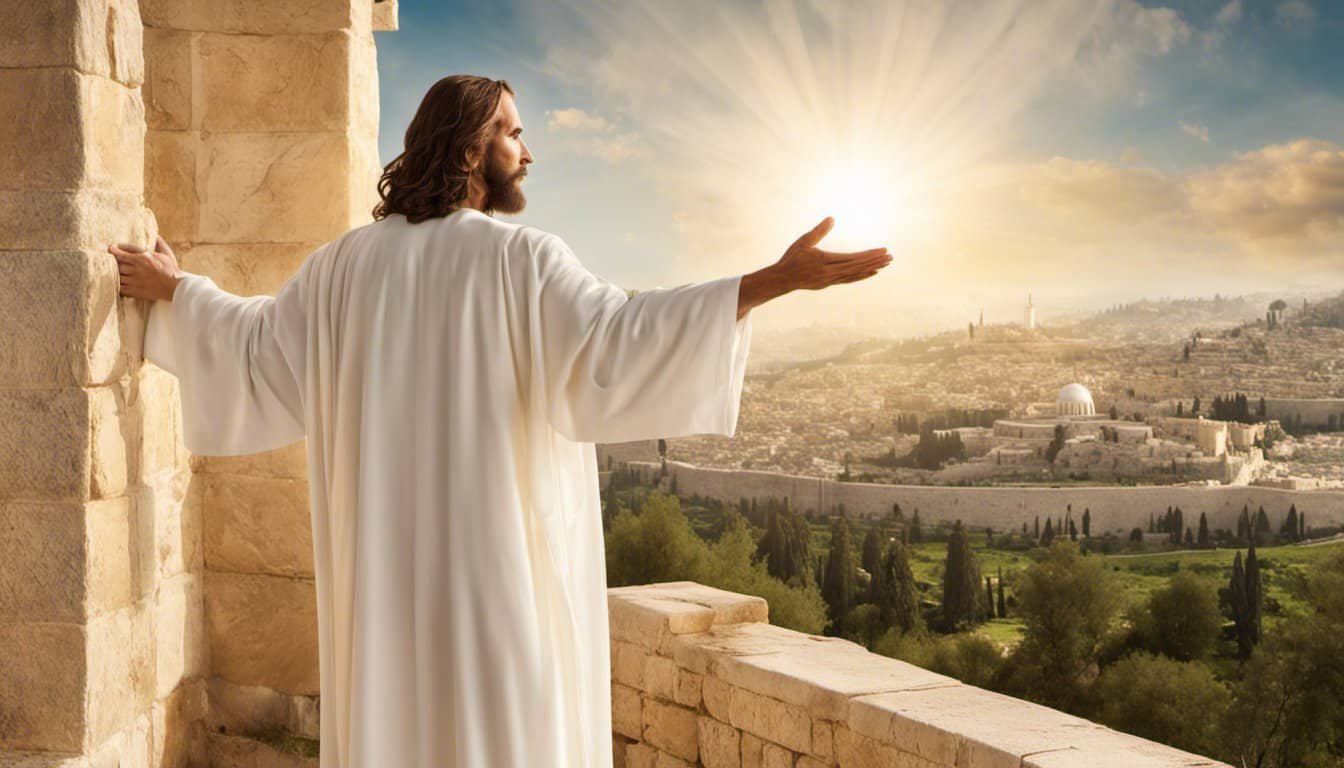
Chaplains serve as moral compasses for soldiers during turbulent times. They help service members articulate their values and beliefs, especially when under pressure. These discussions foster a safe environment for exploring difficult moral questions.
As confidants, chaplains offer a listening ear. Service members often share their struggles with moral injury and the impact of their experiences.
The chaplain’s support can be pivotal in healing and restoration. The relationship is built on trust and empathy, allowing chaplains to help restore a soldier’s integrity and peace of mind.
Chaplaincy Training and Readiness
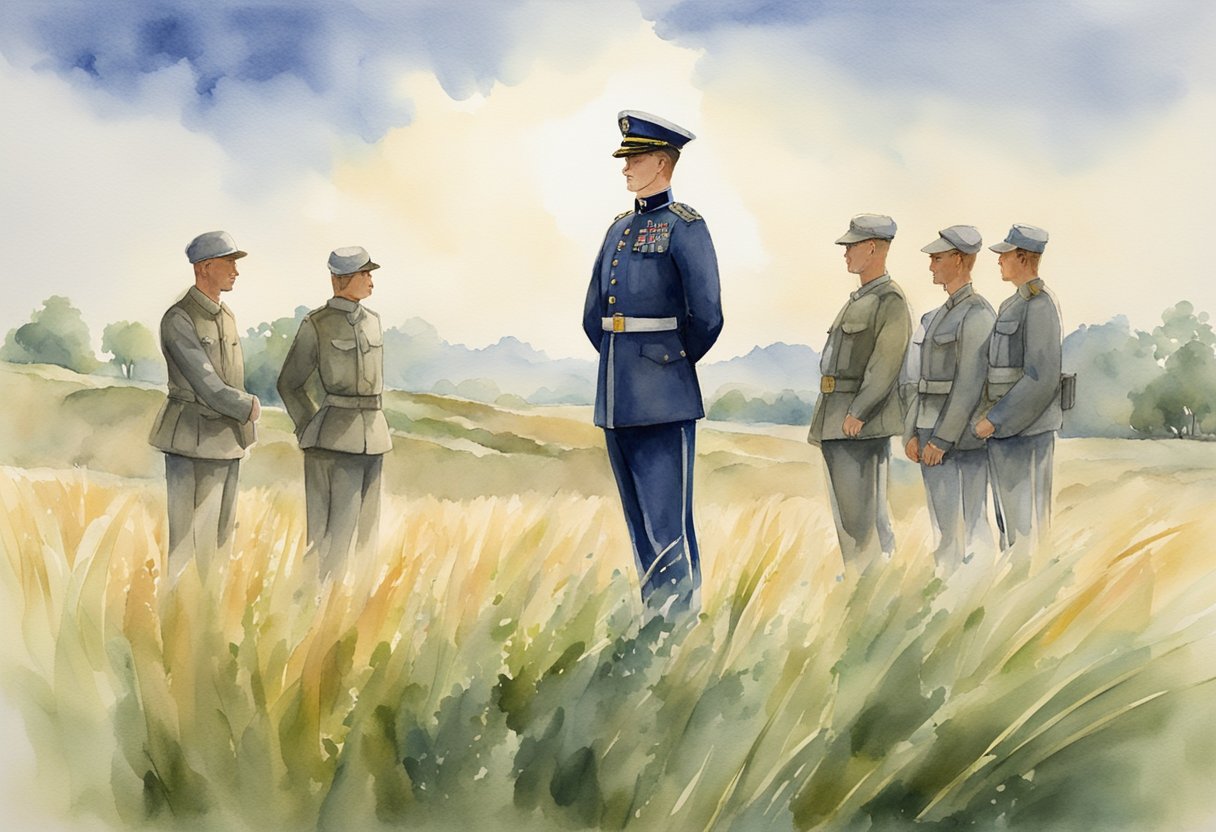
Training is essential for military chaplains to effectively serve in uniform. It prepares them for the unique challenges they will face in various situations. The focus is on equipping them with the spiritual, emotional, and practical skills needed for service.
Preparing for Service in Uniform

Military chaplains undergo rigorous training to meet the needs of service members. They often hold advanced degrees in theology or ministry from accredited institutions.
Training includes courses in ethics, counseling, and crisis management. This equips them to support troops facing difficult situations, stressing the importance of emotional health.
Chaplains participate in the Chaplain Corps, which aims to provide spiritual guidance to military personnel. They also learn military customs and protocols, ensuring they can integrate well into the military environment.
Adaptation and Readiness for Deployment
Chaplains must be adaptable to support service members in various settings. Training focuses on readiness for deployment. This includes the physical and mental stress of combat zones.
They learn how to deliver spiritual care in unpredictable environments. Their role includes offering comfort, conducting services, and providing counseling.

Collaboration with the Department of Defense is critical. Chaplains must understand military operations to effectively fulfill their responsibilities. This readiness helps maintain the morale and well-being of service personnel during challenging times.
Challenges and Support Mechanisms
Military chaplains face unique challenges while providing spiritual care to service members. They navigate mental health issues, ethical dilemmas, and the need for support. These challenges require strong support systems for both chaplains and the personnel they serve.
Mental Health and Suicide Prevention
Mental health is a critical issue for military members. Chaplains play a vital role in fostering discussions around mental wellness and suicide prevention. They provide spiritual guidance and a listening ear, which can be essential in times of crisis.
Chaplains are trained to recognize signs of distress. They can connect individuals with mental health resources. This makes them key figures in suicide prevention efforts.

Furthermore, they often lead programs that promote positive coping strategies. These include stress reduction techniques, meditation, and prayer. Creating a safe space for service members to express their feelings is crucial.
Support for Noncombatant Status and Ethical Challenges
Military chaplains often face ethical challenges related to their noncombatant status. They serve to support all service members, regardless of their religious beliefs. This can be a delicate balance, especially in diverse environments.
Chaplains must maintain their religious practices while respecting the beliefs of others. This can lead to moral dilemmas, particularly in combat situations. They have to navigate these waters carefully, often seeking guidance from their faith traditions.
Support systems, such as mentorship programs and peer support groups, provide essential resources for chaplains. These channels help them address ethical issues and enhance their ability to serve effectively.
The Social and Cultural Impact
Military chaplaincy plays a significant role in shaping both military culture and public perception. It offers spiritual guidance to service members while navigating the diverse landscape of beliefs within the military. The impact of chaplains can be seen in how they influence military life and how society views military service.
Chaplaincy Influence on Military Culture
The chaplain corps, including the Army Chaplain Corps, has a unique position within military organizations. Chaplains provide spiritual support to service members, helping them navigate the stresses of military life. They conduct religious services, offer counseling, and facilitate discussions on ethics and morality.
Chaplains also play a key role in fostering camaraderie. They often mediate discussions among diverse groups, ensuring everyone feels included. Military leaders acknowledge this role, as a supportive environment can enhance unit morale.
In recent years, the Pentagon has recognized the importance of adapting to advancements in secularization. As military ministry evolves, chaplains find new ways to engage with service members from a range of spiritual backgrounds. This influence contributes to a more unified military culture.
Public Perception and Secularization Trends
Public perception of military chaplaincy is complex, especially with increasing secularization. Many people view chaplains as advocates for spiritual health within the military. However, others question their relevance in a diverse society.
In Washington, D.C., discussions about chaplaincy often touch on issues of inclusivity. As more service members express secular beliefs, chaplains must adapt their approaches. They work to ensure that all individuals feel respected, regardless of their faith or lack thereof.
Some argue that the presence of chaplains bridges the gap between faith and military duty. This perspective highlights the importance of spiritual care in a challenging environment. As trends shift, military chaplains continue to play a vital role in shaping not only military culture but also public understanding of service.
Scriptural and Theological Resources
Military chaplaincy is grounded in spiritual guidance and biblical teachings. These resources provide comfort, strength, and direction for those serving in uniform. The following sections explore specific biblical wisdom and prayers that support military personnel in their duties.
Biblical Wisdom for Military Service
The Bible is rich with guidance that resonates with those in military service. Psalm 144:1 states, “Blessed be the Lord, my rock, who trains my hands for war, and my fingers for battle.” This verse highlights God’s preparation of soldiers for their roles.
Additionally, Romans 13:1 teaches respect for authorities, reminding service members of their duty to uphold justice. Colossians 3:23 encourages them to work heartily, as if for the Lord, emphasizing that their actions can be acts of worship.
Catholic chaplains often draw from these scriptures, providing a foundation for soldiers’ faith. Engaging with biblical texts helps military personnel stay connected to their spiritual mission, fostering resilience and purpose.
Psalms and Prayers for Peace and Protection
Psalms offer profound prayers for peace and protection. Psalm 91 is a powerful reminder. It states, “He who dwells in the secret place of the Most High shall abide under the shadow of the Almighty.” This verse reassures military members of divine safety.
Prayers such as the Prayer for Peace guide soldiers in seeking tranquility amid chaos. They ask for strength and courage to face challenges.
In addition, Psalm 23 also serves as a source of peace. It has themes of guidance and comfort. These writings and prayers bring hope and support to those who serve. They remind them that they are never alone in their struggles.
