
Artificial intelligence is rapidly changing the world, and many Christians are grappling with what this means for their faith. A Christian perspective emphasizes both the potential benefits and the ethical challenges that AI presents. The church has a crucial role in guiding this conversation, ensuring that technology aligns with biblical principles and the well-being of humanity.
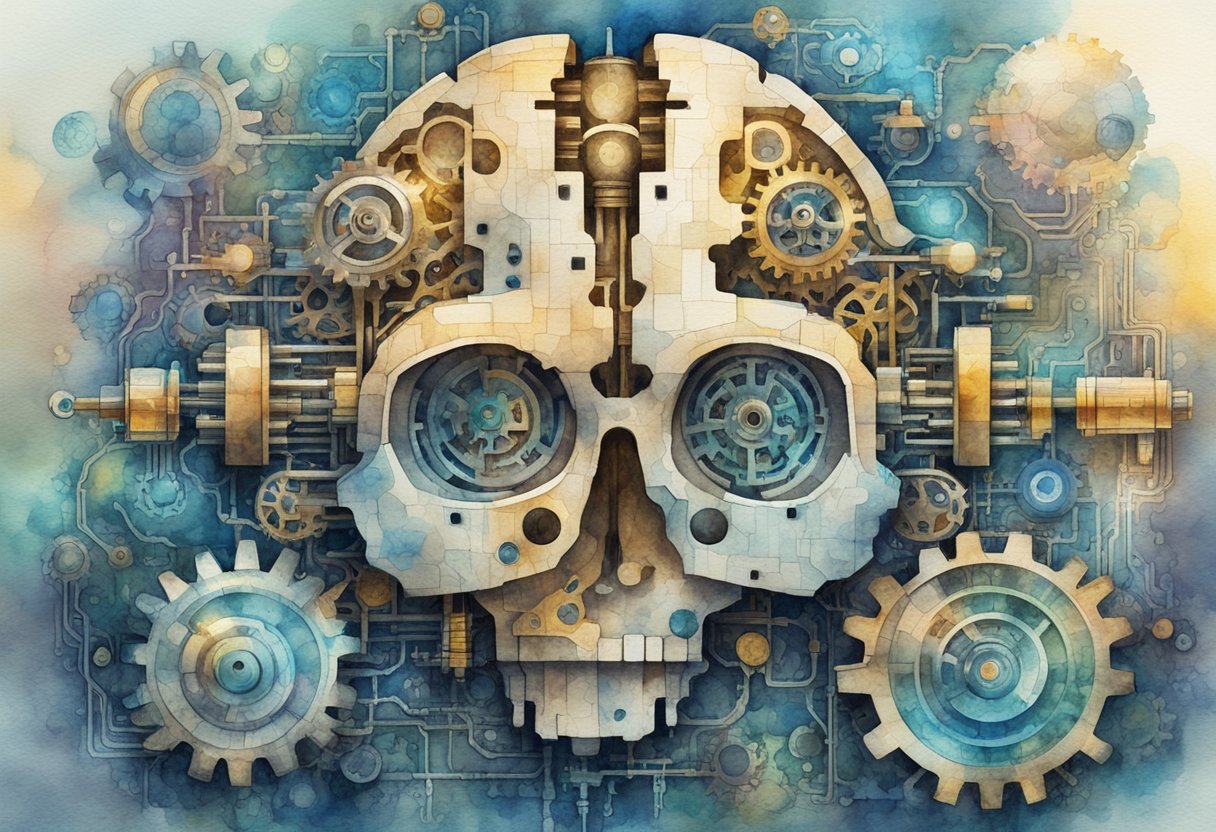

As AI continues to evolve, questions arise regarding its impact on the dignity and rights of individuals. It is vital for believers to approach technology with wisdom and caution, considering both its promises and pitfalls. By engaging thoughtfully with AI, the church can promote justice and fairness in its application.
In this blog post, readers will explore how faith can inform the dialogue about artificial intelligence. They will discover insights on how to navigate this complex issue while remaining faithful to their beliefs.
Key Takeaways
- A balanced view of AI includes both its opportunities and challenges.
- The church can guide ethical discussions about technology’s impact.
- Wisdom and caution are essential for integrating AI into ministry.
Theological Foundations on Technology and AI


Understanding the intersection of faith and technology can guide Christians in navigating the complexities of artificial intelligence. Two key areas of focus are biblical principles of wisdom and the concept of being created in the image of God. These ideas help shape a thoughtful approach to using AI responsibly.
Biblical Principles of Wisdom
The Bible emphasizes the importance of wisdom. Proverbs 2:6 states, “For the Lord gives wisdom; from His mouth come knowledge and understanding.” With technology, including AI, Christians are called to seek divine guidance.
This involves careful consideration of how AI can be aligned with God’s truth. Wisdom helps individuals assess the benefits and risks of AI, especially in areas like human dignity and stewardship. A thoughtful approach ensures that technology serves humanity rather than diminishes it.
Moreover, seeking advice from the Holy Spirit can guide decision-making with AI. Believers are encouraged to pray for discernment in using technology effectively and ethically.
Image of God and Technology
The concept of being made in the image of God is foundational to human dignity. Genesis 1:27 highlights that both men and women reflect God’s image, giving them inherent value.


When engaging with AI, Christians must remember this principle. Technology should enhance human intelligence, not replace it. AI can offer tools for good, but it should never undermine the worth of individuals.
Furthermore, stewardship is essential. Christians are called to responsibly manage the resources and tools given by God, including technology. This means using AI to promote justice, truth, and compassion in society, aligning technology with Christian values.
Church Perspectives on AI
Many churches are exploring how artificial intelligence fits within their beliefs and teachings. The perspectives vary, with some focusing on ethical concerns while others look at technological benefits.
Official Church Stances and Statements

The Church of Jesus Christ of Latter-day Saints has addressed AI through the lens of its guiding principles. Elder Gerrit W. Gong, a member of the Quorum of the Twelve Apostles, emphasizes the importance of using technology for good. He encourages members to consider how AI can enhance spirituality and community service.




Church leaders call for caution, recognizing that AI must align with moral values. They urge members to engage with AI thoughtfully. The church believes that while AI can help with many tasks, it should never replace human connection and compassion, which are critical in their faith.
Insights from Church Leaders
Elder John C. Pingree has shared insights about the potential of AI to support church activities. He notes how it can assist in administrative tasks, allowing leaders to focus on ministry. This efficiency can help spread their message more effectively.
Conversely, church leaders raise concerns about AI’s impact on personal agency and privacy. They highlight the need for ethical standards in AI development. By fostering discussions around these issues, church leaders aim to guide their community in navigating the balance between innovation and faith.
Ethical Implications of AI
Artificial intelligence (AI) brings significant ethical concerns that span various aspects of human life. Key issues include maintaining human dignity, ensuring privacy and security, and the potential for deception.
Maintaining Human Dignity and Responsibility
AI technology should enhance human life without undermining dignity. It’s vital for developers to ensure that AI applications respect individual rights. Ethical use of AI demands accountability in decision-making processes.
For example, decisions made by AI systems in hiring or healthcare must have human oversight. When humans delegate authority to machines, they should remain responsible for the outcomes. This approach fosters trust and ensures that technology serves humanity, rather than replacing human judgment.
Privacy, Security, and Accountability
Privacy and security are fundamental concerns in the use of AI. With vast amounts of personal data processed, individuals risk exposure to misuse. Strong safeguards are necessary to protect this data from breaches.
Accountability measures must be in place to ensure responsible AI use. Companies must disclose how data is collected and used. Clear policies will help maintain user trust and safety in the technology.
The Threat of Deception and Deepfakes

Deepfakes and other deceptive technologies present significant ethical challenges. These AI-generated distortions can mislead the public and damage reputations. Awareness of these threats is crucial for consumers and creators alike.
To mitigate deception, the development of AI tools must include ethical considerations. Transparency about AI-generated content helps consumers discern authenticity. Educating the public about identifying deepfakes can also reduce their impact.
Positive Applications of AI in Ministry

Artificial intelligence offers many beneficial uses in ministry. It can help connect people, preserve family histories, and improve communication within the church. By embracing technology, churches can enhance their work and foster community in meaningful ways.
Family History and Genealogy Work
AI can significantly aid in family history and genealogy work for church members. Many people seek to understand their roots and connect with their ancestors.

AI tools can analyze vast amounts of data quickly. They help in finding family connections and building detailed family trees. Websites and applications often use algorithms that search historical records, census data, and more.
This technology allows churches to host family history events. Members can collaborate to explore their heritage together. This fosters a spirit of community and strengthens spiritual connections.
Aid in Language Translation and Scripture Study
Language barriers can hinder the spread of spiritual teachings. AI offers powerful language translation tools that help overcome these challenges.
Churches can use AI programs to translate sermons, scriptures, and religious texts into different languages. This makes the message accessible to a wider audience.
Additionally, AI can assist individuals in studying the scriptures. Smart apps can provide explanations, context, and even personalized study plans. This enhances members’ understanding and engagement with their faith.
Enhancing Church Services and Communication

AI technology can improve communication within the church. Many congregations use AI-driven chatbots to answer questions from members. This ensures timely and accurate information is shared with the community.
Furthermore, AI can assist in planning church services. It can analyze attendance trends and suggest optimal service times. This increases participation and makes events more productive.
Challenges of AI Integration

As Christians consider the role of artificial intelligence (AI) in society, it’s essential to recognize the specific challenges that arise with its integration into various sectors. This section explores how AI impacts learning and education, technology in transport and construction, and the transformation of communication.
The Impact on Learning and Education
AI has the potential to change education significantly. Smart tutoring systems can adapt to students’ needs and learning paces. This personalizes learning experiences.

However, relying heavily on AI can also lead to dependence on technology. Students may not develop critical thinking and problem-solving skills. Teachers may feel pressured to use AI tools rather than focus on traditional methods.
Ethical concerns also arise. Data privacy is critical, as student information can be misused if not protected properly. Christians must consider these issues and the balance between embracing technology and maintaining core educational values.
Technology in Transport and Construction
In transport and construction, AI offers innovative solutions. Autonomous vehicles can improve safety and efficiency, reducing human error. Drones assist in surveying construction sites, saving time and increasing accuracy.
Yet, these advancements come with challenges. Job displacement is a concern for many workers in these industries. As machines take over tasks, skilled labor might be undervalued.
Moreover, the reliance on technology raises safety questions. System failures in autonomous systems could lead to accidents. It’s essential for Christian leaders to guide discussions on how to use technology responsibly while considering its impact on workers and communities.
AI and the Transformation of Communication

AI is reshaping communication methods, making it more efficient. Chatbots can quickly respond to customer queries, providing instant support. Social media algorithms deliver tailored content, keeping users engaged.
However, this transformation has drawbacks. Misinformation can spread faster with AI-driven platforms, complicating truth and trust. It can be challenging to discern reliable information from false claims.
Additionally, there is a risk of decreased human interaction. People might opt for virtual communication over face-to-face conversations. As such, Christians must reflect on how AI affects personal relationships and community building in their lives.
Future of AI from a Christian Perspective
As technology evolves, Christians are called to approach AI with both wisdom and caution. This section explores how advancements in AI can align with the mission of the church and prepares believers for future challenges.
Navigating Technological Advancements with Caution

AI technology is rapidly changing how people interact with the world. Christians must navigate these advancements carefully. This involves understanding the ethical implications of machine learning.
They should ask questions like:
- How will AI affect human relationships?
- What responsibilities do developers have in creating fair algorithms?
By grounding their approach in biblical principles, believers can ensure that technology serves humanity without compromising moral values. This careful navigation allows the church to remain a guiding force in a tech-driven society.
The Role of AI in Fulfilling the Church’s Mission
AI has the potential to enhance the church’s mission in many ways. For example, it can improve outreach efforts, making it easier for congregations to connect with individuals.
Tools powered by AI can:
- Analyze data to identify community needs.
- Provide tailored resources for personal growth.

By leveraging these technologies, the church can fulfill its mission more effectively. AI can help spread the message of love and hope, aligning with the teachings of Christ in innovative ways.
Preparation for Future AI Challenges
As AI technology advances, so do the challenges it presents. Christians need to prepare for these challenges by engaging in thoughtful research and discussion.
Potential issues include:
- Privacy concerns from data collection.
- Ethical dilemmas in decision-making processes.
By fostering an environment where science and faith meet, Christians can address these challenges proactively.
Encouraging open dialogue about AI’s impact can help the church navigate its future responsibly. This ensures that faith remains central in all technological discussions.
