
Many people wonder about the concept of the Trinity, which can seem complex at first. Understanding the Trinity is essential for a solid foundation in the Christian faith. It also plays a crucial role in how believers relate to God.
This doctrine teaches that there is one God in three persons: the Father, the Son, and the Holy Spirit. Exploring this idea can lead to deeper insights into God’s nature and His love for humanity.


Defending the doctrine of the Trinity is important, especially when encountering misunderstandings or different beliefs. Various biblical texts support this belief, showing how it shapes Christian life and practice. Engaging in conversations about the Trinity can help clarify misconceptions and strengthen faith in God’s character and purpose.

Exploring the Trinity not only enriches personal faith but also fosters unity among believers. Understanding its theological significance can create meaningful discussions within Christian communities.
Key Takeaways
- The Trinity is one God in three persons: Father, Son, and Holy Spirit.
- Biblical texts provide strong support for the doctrine of the Trinity.
- Understanding the Trinity enhances personal faith and encourages unity among believers.
Understanding the Trinity
The Trinity is a fundamental concept in Christianity. It describes the nature of God as three distinct persons in one essence. This section explores the definition, historical development, and biblical foundations of this crucial doctrine.
Definition of the Trinity
The doctrine of the Trinity asserts that there is one God who exists as three persons: the Father, the Son, and the Holy Spirit. Each person is fully God, sharing the same divine essence, but they are not the same as one another. This means that while they work together in perfect unity, each person has unique roles within the Godhead. This understanding emphasizes monotheism while acknowledging the complexity of God’s nature.
Historical Development of the Doctrine
The concept of the Trinity has evolved over centuries. Early church fathers like Tertullian were key in articulating this doctrine. They clarified that the three persons are co-equal and co-eternal, meaning none is superior or created. During the Council of Nicaea in 325 AD, church leaders officially affirmed the Trinity. This was a significant moment, as it sought to unify Christian belief against various heresies that denied the full divinity of Christ or the Holy Spirit. The articulation of this doctrine shaped Christian theology profoundly.
Biblical Foundations of the Trinity
The Bible provides multiple references supporting the doctrine of the Trinity. In the Gospel of Matthew, Jesus commands his followers to baptize in the name of the Father, Son, and Holy Spirit (Matthew 28:19). This shows the unity of the three persons in the Godhead.


Additionally, passages such as John 1:1 affirm the divinity of Jesus, describing Him as the Word that was both with God and was God. The Holy Spirit is also highlighted as a divine person who advocates and empowers believers. Together, these scriptures form a solid basis for understanding the Trinity in Christian faith.
Theological Significance
The theological significance of the Trinity is profound. It shapes the understanding of God’s nature and the relationship between the Father, Son, and Holy Spirit. This foundation has important implications for Christian identity and the concept of love within the faith.
The Trinitarian Relationship
The relationship among the Father, Son, and Holy Spirit is unique and essential. Each person is distinct yet fully God. This means there is a perfect unity within the Trinity. The Church Fathers emphasized this relational aspect to show how each person contributes to the divine essence.

The Father initiates creation, the Son redeems through His sacrifice, and the Holy Spirit sanctifies believers. Understanding these roles helps Christians appreciate their faith’s depth. This relationship illustrates how God invites humans into a shared love and mission.




Implications for Christian Identity
The doctrine of the Trinity shapes Christian identity by affirming that believers are made in God’s image. Since humans bear the likeness of a relational God, they are called to live in community and love, reflecting the Trinitarian nature.
This identity fosters a sense of belonging within the Church. It connects individuals to God and each other. The deposit of faith acknowledges that understanding the Trinity strengthens the faith. It encourages believers to pursue relationships marked by self-giving love, just as exemplified by the Trinitarian persons.
The Trinity and Love
Love is central to the doctrine of the Trinity. Each person of the Trinity expresses love, emphasizing how love is inherently relational. The Father loves the Son, the Son reciprocates, and the Holy Spirit is love in action. This dynamic shows that love isn’t just an attribute of God; it’s who He is.
For Christians, the Trinity sets a model for love in all relationships. They are called to reflect this divine love through acts of kindness and service. By embodying love, believers reveal the heart of the Trinity, promoting unity in the Church and to the world.
Biblical Exegesis on the Trinity
The concept of the Trinity is not just a New Testament idea. It has roots in the Old Testament as well. This section explores key references in both the Old and New Testaments, along with a closer look at John 17, where themes of unity and divine relationship are highlighted.
Old Testament References
The Old Testament presents hints of the Trinity through several key scripture passages. For example, in Genesis 1:26, God says, “Let us make man in our image.” This plural usage implies a multi-faceted being.
Another significant reference is found in Isaiah 48:16, which features God speaking in a way that suggests a complexity in His nature.
Deuteronomy 6:4 emphasizes monotheism, stating, “The Lord our God, the Lord is one.” This unity is essential in recognizing the distinct persons within the Trinity. These verses, while not explicit, lay a foundational understanding of God’s complex oneness.
New Testament Exposition

The New Testament clarifies the doctrine of the Trinity through the life and ministry of Jesus Christ. In the Gospel of Matthew 28:19, Jesus commands the apostles to baptize “in the name of the Father, the Son, and the Holy Spirit.” This triadic formula reveals the equal status of all three persons.
Additionally, in John 1:14, it states that “the Word became flesh.” Here, the identity of Jesus (the Word) signifies His divine nature.
The apostle Paul also reinforces this doctrine in 2 Corinthians 13:14, mentioning all three persons in his closing remarks, showing their active roles in the lives of believers.
Understanding John 17 and Unity
John 17 is a pivotal section for understanding the relationship within the Trinity. Jesus prays for unity, saying, “that they may all be one, just as you, Father, are in me, and I in you” (John 17:21).
This highlights not only the nature of unity within the Godhead but also the desire for believers to experience that same unity.

The prayer underlines a deep relational aspect of the Trinity, where each person shares in the divine essence while maintaining their distinct roles. The example of unity serves as a guide for the Christian community, reflecting the harmony that exists within God Himself.
Defending Against Misconceptions
Misunderstandings about the doctrine of the Trinity often arise from different worldviews. Many people mistakenly equate the Trinity with polytheism or fail to grasp its logical structure. It’s important to address these misconceptions clearly.
The Trinity Versus Polytheism
The Trinity teaches that there is one God, not multiple gods. This doctrine asserts that God exists in three distinct persons: the Father, the Son, and the Holy Spirit. Each person is fully God, yet they are not three separate gods.
This is different from polytheism, where multiple gods exist with separate identities and powers. For example, in some belief systems, gods have specific roles, like the gods of ancient Greece. In contrast, the Trinity emphasizes unity in essence while maintaining distinction among the persons.
Tri-Unity and Logical Coherence

The concept of tri-unity, or the Trinity, can seem mysterious. Critics often challenge its logic. They may argue that it contradicts the law of non-contradiction, which states that something cannot be both A and not A at the same time.
However, defenders of the Trinity explain that the three persons of the Trinity are not contradictory. Rather, they coexist in one divine essence. Various analogies are often used, such as water existing as ice, liquid, and vapor. While all analogies fall short, they can help illustrate the idea of one God in three forms.
Responding to Objections From Other Faiths
People from different faiths, such as Islam and Judaism, often raise objections to the Trinity. For instance, some argue that the Qur’an explicitly rejects the idea of a triune God. Additionally, groups like Mormons and Jehovah’s Witnesses have their own interpretations of the nature of God.
In responding to these objections, focus on biblical foundations. Scriptures like Matthew 28:19, where Jesus commands baptism in the name of the Father, Son, and Holy Spirit, support the Trinity. Engaging in respectful dialogue helps clarify misunderstandings and highlights the significance of the Trinity in Christian belief.
Role in Christian Life and Practice

The doctrine of the Trinity greatly influences worship, salvation, and community life in Christianity. Understanding this doctrine helps believers connect with God more deeply and live out their faith in practical ways.
Trinity and Worship
Worship in Christianity is fundamentally shaped by the Trinity. Believers approach God the Father, celebrate the work of Jesus Christ, and rely on the Holy Spirit for guidance.
Incorporating the Trinity into worship creates a rich experience. For example:
- Prayers often address the Father, acknowledging the Son’s sacrifice and invoking the Spirit’s presence.
- Songs and hymns frequently highlight the roles of each person in the Trinity, enriching congregational praise.
This understanding enhances communal worship as congregations gather to honor the Triune God collectively.
The Atonement and Salvation
The doctrine of the Trinity is central to understanding atonement and salvation. Jesus, the Son, made the ultimate sacrifice for sin. His relationship with the Father and the Holy Spirit is paramount in this process.
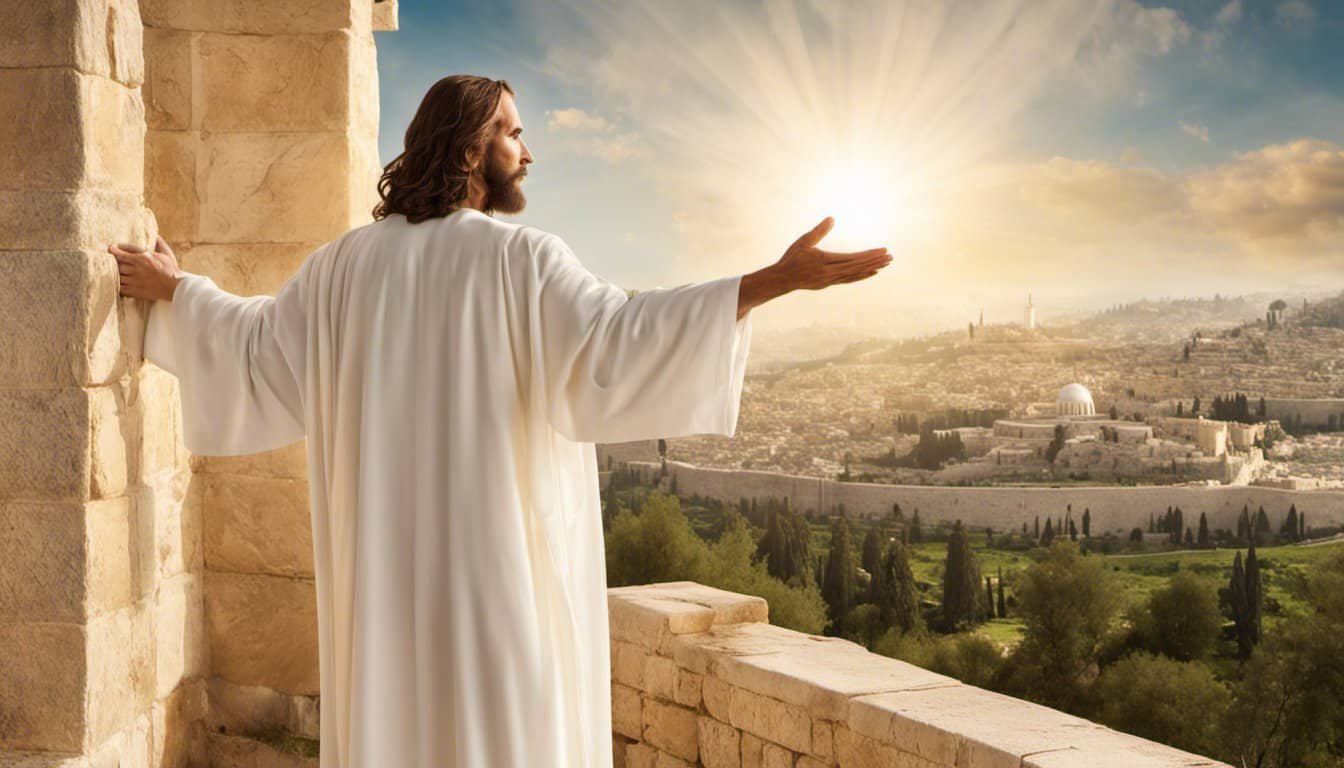
When believers accept Christ’s atoning work, they enter a relationship with the entire Trinity. This includes:
- Forgiveness of sins through Jesus’ death and resurrection.
- New life empowered by the Holy Spirit, enabling transformation and growth.
This framework provides assurance of salvation. Believers experience God’s love and grace through each person of the Trinity.
Living as a Trinitarian Community
Living as a Trinitarian community emphasizes relationships among believers. The church is not just a gathering but a family reflecting the unity and diversity found in the Trinity.
Core aspects include:
- Mutual support where members encourage one another.
- Shared mission focused on spreading the Gospel, inspired by the love shared in the Trinity.
This community supports believers in their daily walk with God. Together, they live out their faith, embodying qualities such as love, grace, and unity, which are essential to the Christian life.
Ecumenical Understandings of the Trinity

The Trinity is a vital doctrine in Christianity that emphasizes the oneness of God in three persons: the Father, the Son, and the Holy Spirit. Different Christian traditions interpret and express this belief in unique ways. Exploring these varied understandings can enhance unity across denominations and deepen faith.
The Nicene Creed and Trinity
The Nicene Creed is a foundational statement of Christian faith. It was established in 325 AD at the First Council of Nicaea to address misunderstandings about the Trinity, particularly the nature of Christ.
In the Creed, it states that Jesus is “true God from true God” and “consubstantial” with the Father. This emphasizes their equality and unity. The Nicene Creed is recited in many Christian churches today, reinforcing the shared belief in the Trinity’s significance.
Interdenominational Approaches to Trinity
Different denominations—such as Catholicism, Orthodoxy, and Protestantism—approach the doctrine of the Trinity with both agreement and diversity. Each tradition has its unique ecclesiology, but they all acknowledge the importance of the Trinity.

Catholics emphasize tradition and church authority, while many Protestants highlight personal faith and Scripture. The Orthodox Church focuses on the mystical experience of God’s presence. Despite these approaches, the core belief in the Trinity remains central across denominations, fostering a sense of communion.
Unity in the Body of Christ
Unity is a key theme in ecumenism, which seeks to bring different Christian groups together. The Trinity serves as a model for this unity, as it illustrates how three distinct persons can be one in essence.
By focusing on this foundational belief, Christians can work towards greater understanding. Initiatives that encourage dialogue and collaboration among denominations showcase respect for diverse practices while honoring shared faith. Unity in belief can lead to a stronger Christian witness in today’s world.
Contemporary Theological Discussions
Recent theological discussions about the Trinity focus on modern interpretations, interfaith dialogue, and the mystery surrounding the doctrine. These topics are essential as they reflect the evolving understanding of the Trinity in contemporary Christianity.
Modern Interpretations of Trinitarian Doctrine

Modern interpretations of the Trinity often emphasize relational aspects. Scholars highlight the significance of the relationships between the Father, Son, and Holy Spirit, rather than merely focusing on their distinct roles.
This approach helps individuals grasp the interconnectedness of the Trinity.
Some theologians argue for a more experiential understanding of the Trinity, suggesting that belief in God’s nature can be seen in everyday life. This perspective aims to make the doctrine more accessible to those curious about its implications in their daily experiences.
The Trinity and Interfaith Dialogue
Interfaith dialogue presents both challenges and opportunities concerning the Trinity. Christians are encouraged to articulate their beliefs clearly while respecting differing viewpoints from other faiths.
This dialogue can help break down misunderstandings about Christian doctrine.
Focus on common values, like love, grace, and community, can bridge gaps between religions. By emphasizing these shared principles, discussions can foster a more profound mutual respect and understanding among different faith groups.
The Mystery of the Trinity in Modern Christianity
Many find the Trinity to be a mysterious and unintelligible concept. This mystery evokes wonder and invites believers to explore their faith deeply.
Some argue that this complexity enriches Christian belief, encouraging deeper theological reflection.
Contemporary theology acknowledges that not everything about the Trinity can be fully comprehended. This acceptance of mystery allows believers to embrace faith without needing all the answers. The unknown aspects can spark curiosity and foster a transformative spiritual journey.
Conclusion
The doctrine of the Trinity is central to the Christian faith. It emphasizes the nature of God as a triune being: Father, Son, and Holy Spirit. Each person of the Trinity plays a unique role while being fully God.
Reflecting on this doctrine helps believers grasp God’s omnipotence and omnipresence. These attributes show that God is all-powerful and present everywhere, revealing His love and purpose in creation.
Understanding the Trinity supports various Christian doctrines. It allows believers to communicate their faith effectively, grounding their beliefs in scripture.
As they explore this topic, they strengthen their relationship with God.
In discussions about faith, the Trinity is a powerful aspect. It enables meaningful conversations about who God is and what He does. Believers are encouraged to share their insights and experiences related to this doctrine.
By researching and reflecting on their understanding of the Trinity, individuals can engage more deeply with their faith. This approach not only enriches their spiritual life but also equips them to share their beliefs with others.
